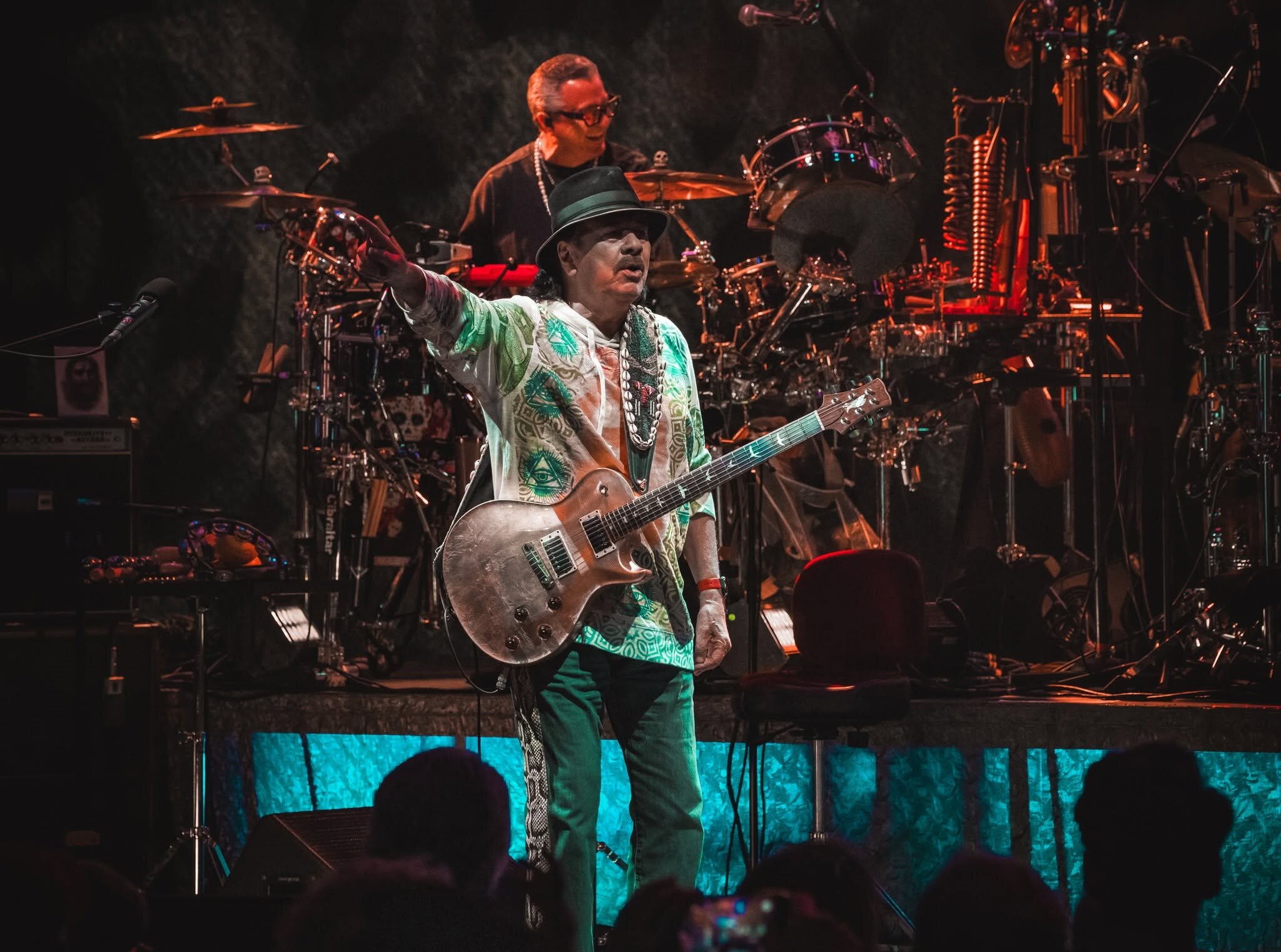
Una nota basta per riconoscerlo, un graffio sulla chitarra per trascinare l'ascoltatore in un viaggio senza tempo. Carlos Santana si prepara a far vibrare di nuovo il pubblico italiano annunciando ufficialmente le sole due tappe nazionali del suo “Planet of Free Will Global Tour 2027”. Un appuntamento imperdibile per gli amanti della grande musica dal vivo, pronti a riabbracciare un artista che ha ridefinito le coordinate del rock e del ritmo globale.
Le date da segnare in rosso sul calendario sono due: sabato 17 luglio 2027 a Pordenone al Parco San Valentino in occasione delle celebrazioni per Pordenone Capitale Italiana della Cultura 2027, e domenica 18 luglio 2027 a Lucca, sullo sfondo suggestivo delle Mura Storiche.
Pochi musicisti sono riusciti a tracciare un solco così profondo nella cultura pop come Carlos Santana. Fin dal debutto omonimo del 1969 con il brano Evil Ways, il chitarrista messicano ha incantato il mondo fondendo in modo pionieristico rock, blues, jazz e travolgenti percussioni afrolatine.
La consacrazione definitiva arrivò sempre nel 1969 sul palco del leggendario Festival di Woodstock. La travolgente esecuzione dal vivo di Soul Sacrifice rimase impressa nella storia del rock come un momento di pura estasi psichedelica e ritmica, proiettando Santana nell'olimpo dei chitarristi più influenti di sempre. Da lì in poi, gli anni '70 hanno visto la nascita di capolavori immortali come Abraxas, Santana III e Caravanserai, ricchi di sonorità mistiche e contaminazioni jazz fusion.
Nel corso di una carriera ultracinquantennale, Santana ha regalato al pubblico pietre miliari come Samba Pa Ti, Black Magic Woman, Oye Como Va ed Europa (Earth’s Cry Heaven’s Smile). Tra i capitoli più sbalorditivi del suo percorso spicca senza dubbio il rinascimento del 1999 con Supernatural.
L'album, arricchito dalle celebri collaborazioni con Rob Thomas nella hit Smooth ed Eric Clapton in The Calling, conquistò ben nove Grammy Awards in una sola serata, superando persino il record storico detenuto fino a quel momento da Thriller di Michael Jackson. Con ben dieci Grammy Awards, tre Latin Grammy e l'ingresso d'onore nella Rock and Roll Hall of Fame, Santana continua a rinnovarsi senza perdere l'anima, tornando di recente a collaborare con grandi nomi della scena contemporanea come Carín León, Grupo Frontera e Becky G.
Le serate del 2027 promettono di trasformarsi in autentiche feste di ritmo, improvvisazione e pura passione. Ad impreziosire in modo unico la data di Pordenone del 17 luglio sarà la presenza di uno special guest d'eccezione: i 40 FINGERS.
Il quartetto di chitarristi rientra tra i fenomeni crossover più apprezzati a livello internazionale. Famosi per i loro arrangiamenti virtuosi capaci di spaziare dal rock classico ai grandi temi cinematografici come Star Wars e Harry Potter, i 40 Fingers hanno conquistato centinaia di milioni di visualizzazioni sul web e il plauso di icone della musica come i Queen e Andy Summers dei Police. L'incontro tra la loro energia a quattro chitarre e il carisma senza tempo di Carlos Santana renderà la tappa pordenonese un evento destinato a rimanere negli annali.
I biglietti saranno in vendita dalle ore 11:00 di venerdì 23 ottobre online su Ticketone.it, sul circuito internazionale Eventim.si e nei punti vendita autorizzati Ticketone. Il concerto di Pordenone, è organizzato da VignaPR e FVG Music Live, in collaborazione con la Regione Friuli Venezia Giulia, il Comune di Pordenone e D’Alessandro e Galli ed è inserito nel programma di “Pordenone Capitale Italiana della Cultura 2027”.
Carlos Santana in Italy in 2027: The Rock Legend Announces Two Historic Shows in Pordenone and Lucca
A single note is enough to recognize him, a scratch on the guitar to draw the listener into a timeless journey. Carlos Santana is preparing to thrill the Italian audience once again by officially announcing the only two national dates of his “Planet of Free Will Global Tour 2027”. An unmissable event for lovers of great live music, ready to embrace an artist who redefined the coordinates of rock and global rhythm.
The dates to mark in red on the calendar are two: Saturday, July 17, 2027, in Pordenone at Parco San Valentino for the celebrations of Pordenone Italian Capital of Culture 2027, and Sunday, July 18, 2027, in Lucca, against the evocative backdrop of the Historic Walls.
Few musicians have managed to leave such a deep mark on pop culture as Carlos Santana. Ever since his self-titled 1969 debut featuring the track Evil Ways, the Mexican guitarist has spellbound the world by pioneeristically blending rock, blues, jazz, and intoxicating Afro-Latin percussion.
His ultimate consecration arrived that same year on the stage of the legendary Woodstock Festival. The overwhelming live performance of Soul Sacrifice etched itself into rock history as a moment of pure psychedelic and rhythmic ecstasy, catapulting Santana into the pantheon of the most influential guitarists of all time. From then on, the 1970s saw the birth of immortal masterpieces such as Abraxas, Santana III, and Caravanserai, rich in mystical sounds and jazz-fusion crossover elements.
Over a career spanning more than five decades, Santana has gifted audiences with timeless classics such as Samba Pa Ti, Black Magic Woman, Oye Como Va, and Europa (Earth’s Cry Heaven’s Smile). Among the most astonishing chapters of his path, the 1999 renaissance with Supernatural undoubtedly stands out.
The album, enriched by famous collaborations with Rob Thomas on the hit Smooth and Eric Clapton on The Calling, won an astounding nine Grammy Awards in a single night, breaking the historic record previously held by Michael Jackson’s Thriller. Boasting ten Grammy Awards, three Latin Grammys, and an induction into the Rock and Roll Hall of Fame, Santana continues to reinvent himself without losing his soul, recently collaborating with major contemporary names like Carín León, Grupo Frontera, and Becky G.
The 2027 evenings promise to transform into authentic celebrations of rhythm, improvisation, and pure passion. Uniquely enriching the Pordenone show on July 17 will be an exceptional special guest: 40 FINGERS.
The guitar quartet ranks among the most acclaimed international crossover phenomena. Renowned for their virtuous arrangements spanning classic rock to major cinematic scores like Star Wars and Harry Potter, 40 FINGERS have garnered hundreds of millions of views online and earned praise from music icons such as Queen and Andy Summers of The Police. The meeting between their four-guitar energy and Carlos Santana's timeless charisma will turn the Pordenone stop into an event destined for the history books.
Tickets will go on sale starting at 11:00 AM on Friday, October 23, online via Ticketone.it, the international circuit Eventim.si, and authorized Ticketone outlets. The Pordenone concert is organized by VignaPR and FVG Music Live, in collaboration with the Friuli Venezia Giulia Region, the Municipality of Pordenone, and D’Alessandro e Galli, and is included in the official program for “Pordenone Italian Capital of Culture 2027.”