.jpeg "vollpension-in-der-muk--manuel-gruber-(2).jpeg")
“Vienna è una città costruita intorno ad alcuni caffè nei quali i viennesi si siedono e bevono caffè”, affermò con ragione Bertolt Brecht.
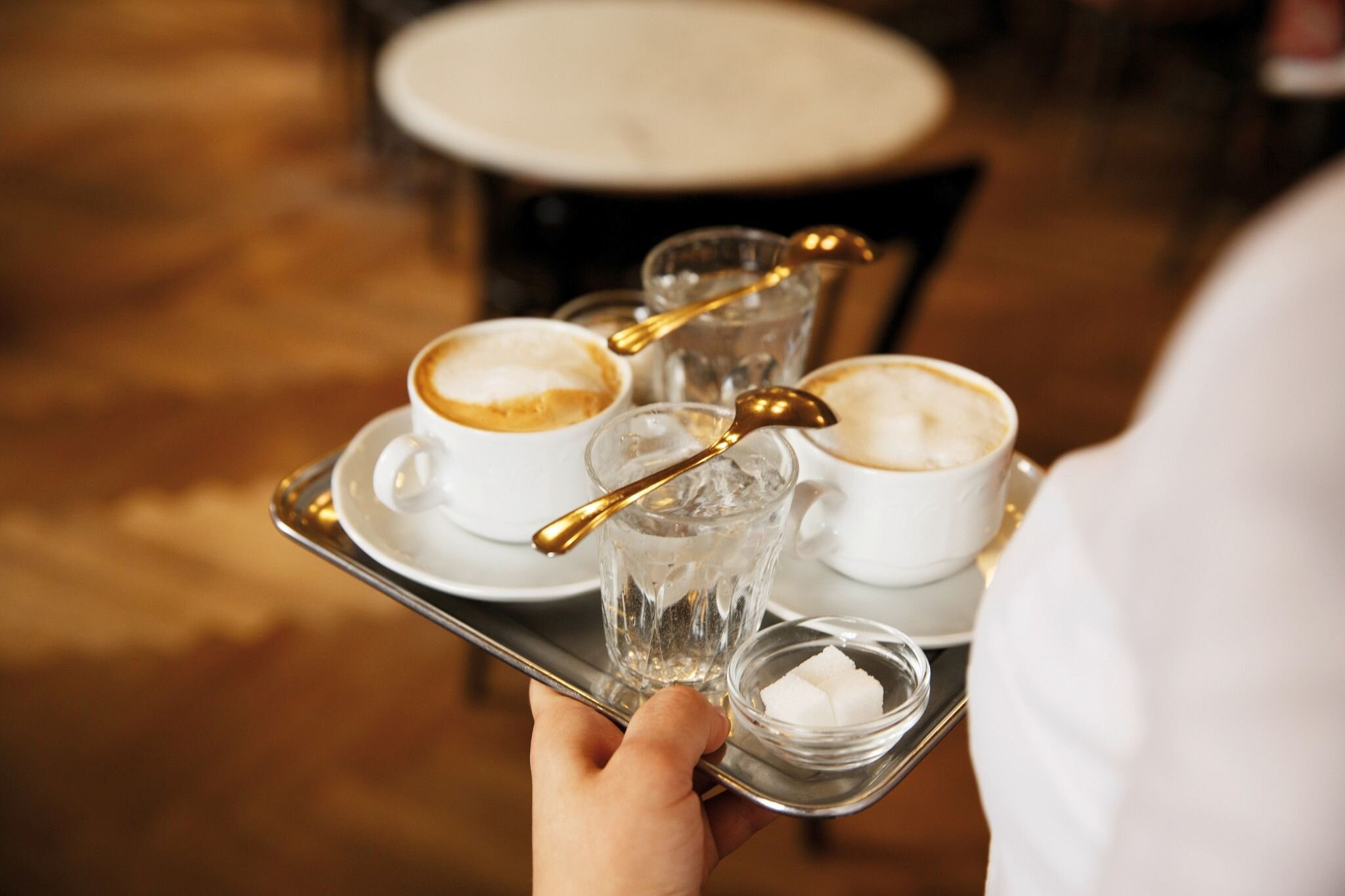
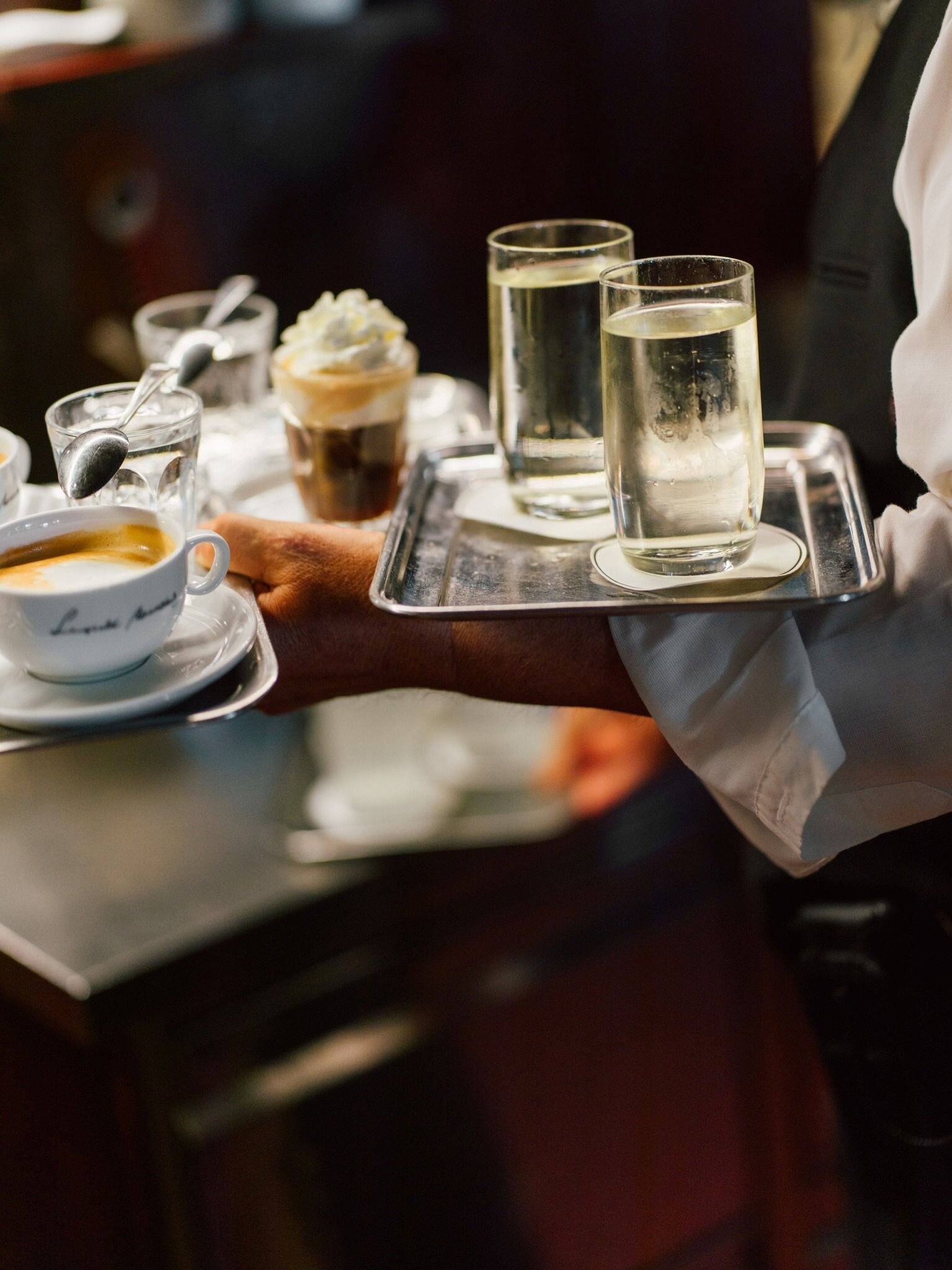
Difficile dargli torto. Basta una giornata fredda, una di quelle in cui il vento scorre lungo il Ring e invita a cercare riparo, per capire come i caffè viennesi non siano semplici locali, ma un modo di stare al mondo: lentezza, conversazione, torte che arrivano al tavolo con la naturalezza di un rituale antico. Dal 2011 sono Patrimonio Immateriale dell’UNESCO, eppure la loro magia non si misura nei riconoscimenti, ma nel silenzio morbido che avvolge chi entra, nel fruscio dei giornali, nei vassoi d’argento che raccontano una Vienna dal sapore antico.
Un’eredità asburgica da vivere oggi
La storia moderna del caffè viennese comincia davvero nel 1873, quando l’Esposizione Universale porta nella capitale visitatori da ogni angolo del mondo. Da allora i Kaffeehäuser diventano un fenomeno culturale: salotti aperti dove artisti, scrittori, viaggiatori e curiosi trovano ispirazione e tregua.
Oggi molte di quelle caffetterie sono ancora lì, a due passi dal centro storico, illuminate da lampade in ottone, arredate con divanetti rossi e piccoli tavoli in marmo, testimoni di un tempo che Vienna non ha mai voluto cancellare.
Impossibile non iniziare con il Melange, l’espresso leggermente allungato con latte caldo e schiuma, icona indiscussa della città. Ma la vera sorpresa è scoprire che un caffè viennese non si limita a un’unica specialità: ce ne sono più di 40 varianti, ognuna con il proprio carattere, il proprio equilibrio. E poi ci sono i piatti, perché qui si mangia davvero: zuppe fumanti, gulasch, involtini di prosciutto ripieni di maionese, piccoli comfort food che fanno parte della ritualità del luogo.
La Vienna della “third wave”: chicchi, tostature e nuove sensibilità
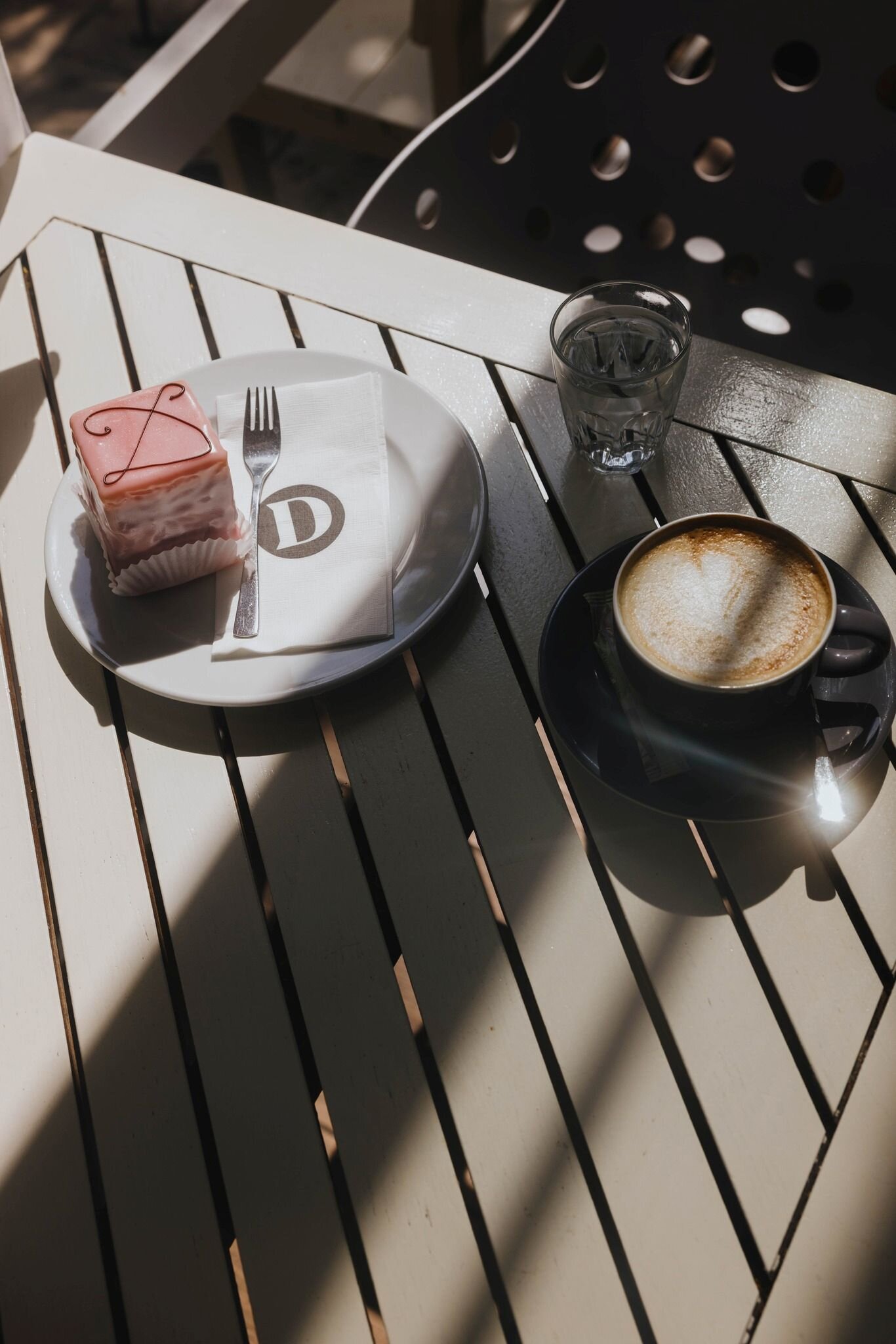
Accanto ai templi della tradizione, negli ultimi anni è sbocciata una scena contemporanea che interpreta il caffè in chiave moderna. Sono luoghi essenziali, luminosi, dove l’attenzione si concentra su tostatura, estrazioni, provenienze dei chicchi.
Tra gli indirizzi più interessanti c’è Gota Coffee, terzo classificato nella lista The World’s 100 Best Coffee Shops: qui l’Espresso Tonic convive con selezioni ricercate e miscele pensate per chi ama sperimentare.
Nel 7° distretto, il Kaffemik è un manifesto della third wave: ambiente minimale, caffè filtro e torrefazioni che cambiano di settimana in settimana.
Il Kaffeefabrik, nel 4° distretto, segue una filosofia radicale: servire solo caffè proveniente dalla propria torrefazione interna.
E poi il Wiener Rösthaus, un altro luogo simbolo della Vienna che si interroga sulla purezza del chicco e sul valore della tostatura artigianale fatta in casa.
Dove il caffè incontra l’impegno sociale
Vienna non è soltanto eleganza asburgica. La sua anima più contemporanea passa anche attraverso progetti che trasformano una tazza di caffè in un gesto di solidarietà.
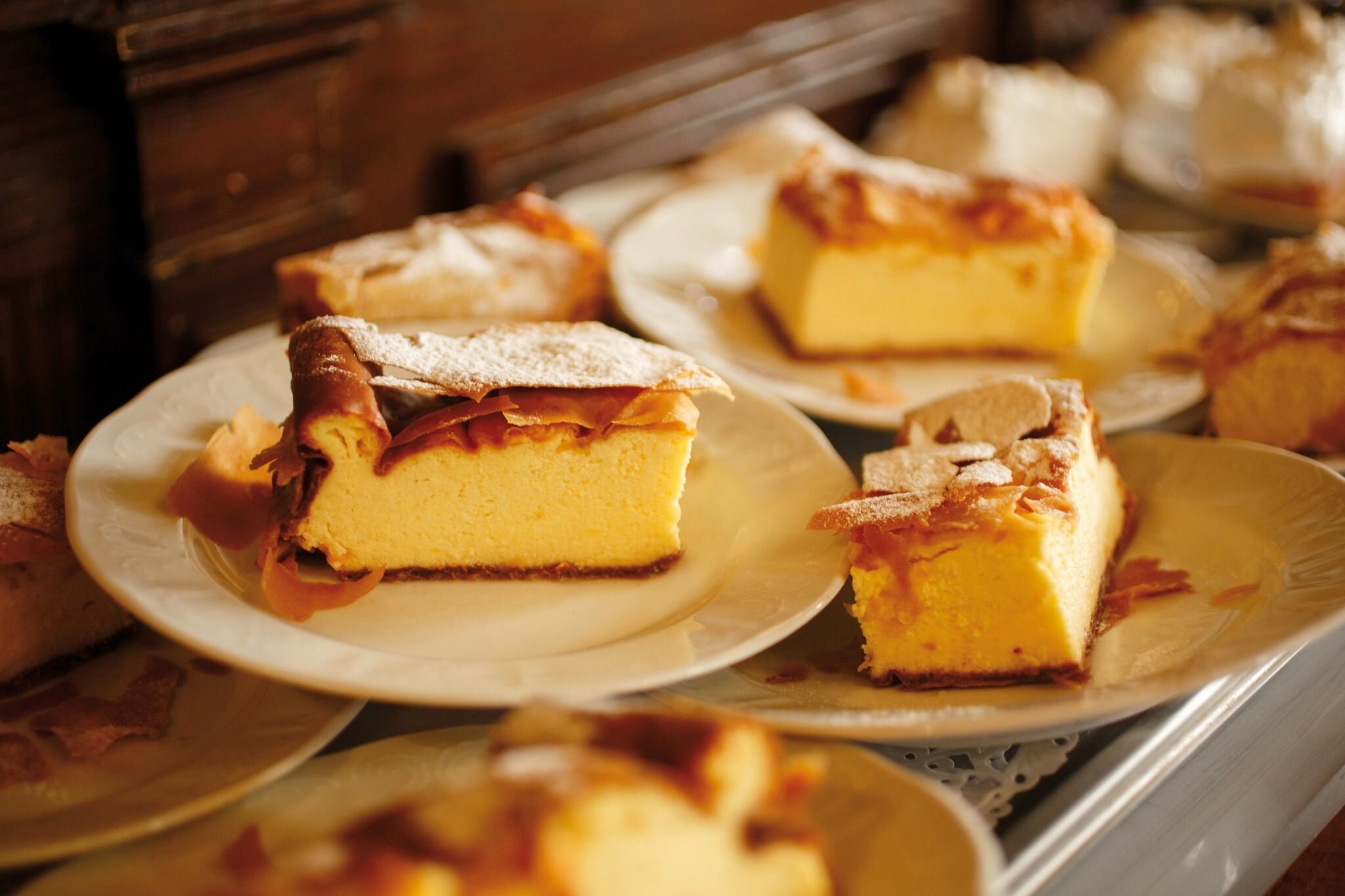
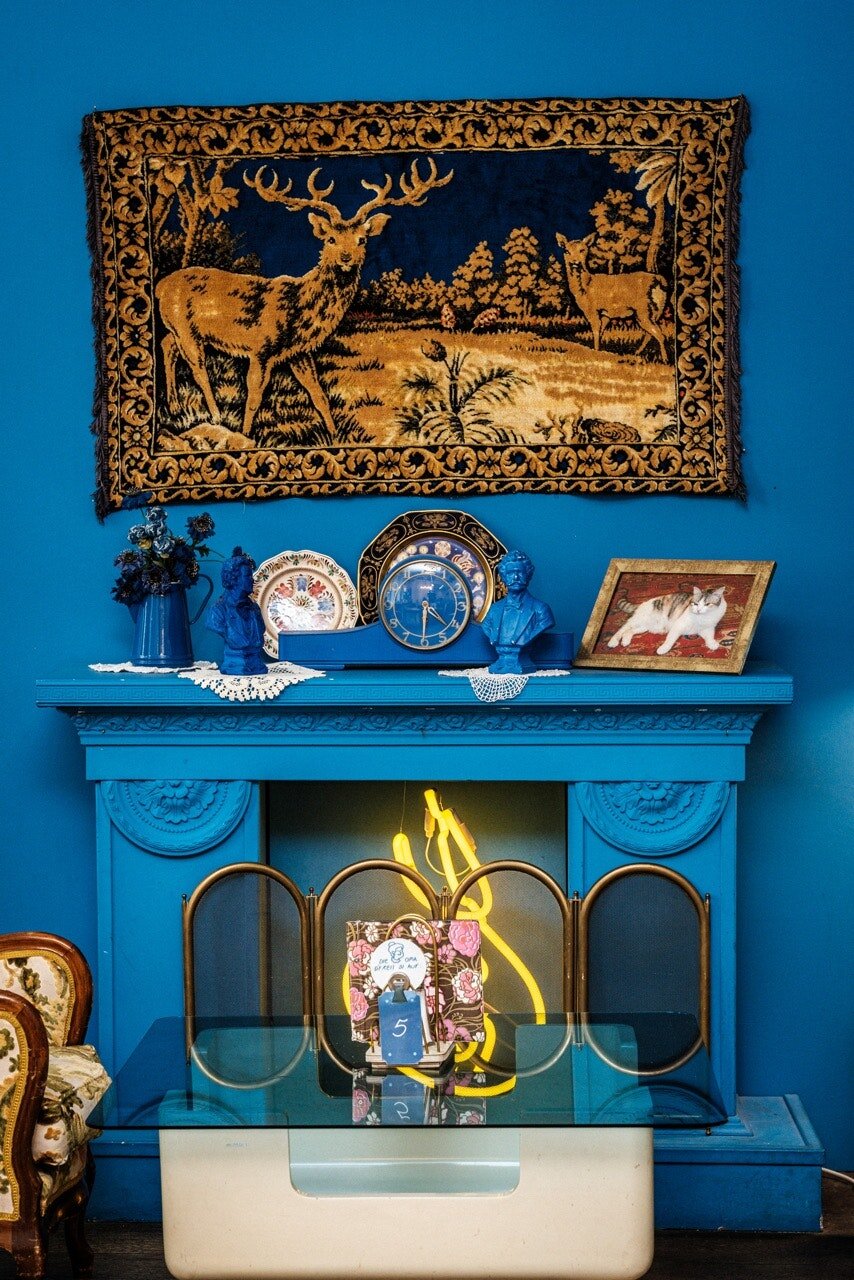
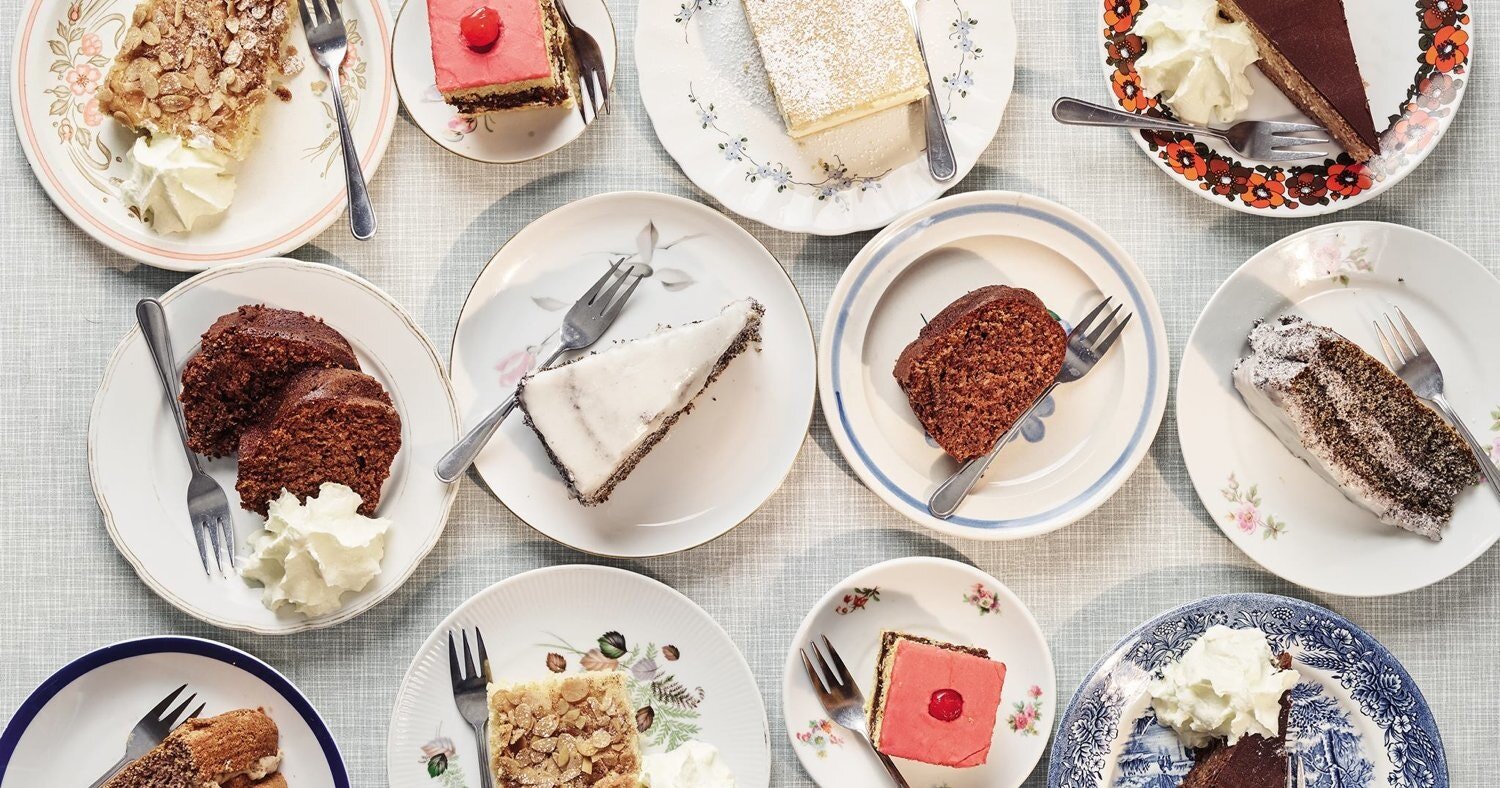
Il più noto è Vollpension, un caffè generazionale che sembra uscito dal salotto dei nonni: torte classiche – Sachertorte, Apfelstrudel, Topfentorte – servite da un personale speciale, composto da nonne e nonni pensionati. Due sedi (nel quartiere Freihausviertel e dentro la MUK, l’Università della Musica) e una missione chiara: combattere solitudine e povertà in età avanzata, creando luoghi di incontro intergenerazionale.
Più recente, aperto a marzo di quest’anno, è il Kuchenamt, parte del progetto inclusivo wienwork: qui lavorano insieme persone con e senza disabilità e i dolci arrivano freschi dagli apprendisti pasticceri dello Speiseamt Seestadt. Il risultato è un caffè che non è solo buono, ma necessario, capace di dare forma a una comunità più forte.
Infine, accanto al Duomo sulla Stephansplatz, il Mamas Café sostiene le madri single attraverso un modello semplice e potente: ogni acquisto – dal caffè bio ai dolci fatti in casa – contribuisce a creare posti di lavoro e nuove opportunità professionali. Una pausa che diventa un gesto concreto.
Una città dove la qualità della vita passa anche da una tazza fumante
Vienna, considerata da anni la città più vivibile al mondo, è fatta di musei, palazzi, parchi che coprono oltre metà della superficie urbana. Ma è anche fatta di luoghi piccoli, quotidiani, spesso nascosti tra una via e l’altra. I caffè, con la loro doppia anima – classica e contemporanea, elegante e solidale – sono la porta d’accesso a un modo diverso di immaginare l’ospitalità.
Perché a Vienna il caffè non è mai solo caffè: è un invito a fermarsi, ascoltare, osservare. A sentirsi, per un momento, parte di una città che ha fatto della gentilezza e della cultura un vero stile di vita.
Per ulteriori informazioni visitare il sito www.wien.info/it
The Soul of Vienna in a Cup: Stories, Flavors and Encounters in the City’s Cafés
“Vienna is a city built around a few cafés where the Viennese sit and drink coffee,” Bertolt Brecht once said — and it is difficult to disagree.
It takes just one cold day, one of those when the wind sweeps along the Ring and urges you to seek shelter, to understand that Viennese cafés are not simply places to sit, but a way of being: slow rhythms, conversations that unfold gently, cakes arriving at the table with the natural grace of an age-old ritual. Since 2011 they have been recognized as UNESCO Intangible Cultural Heritage, yet their magic isn’t measured by awards but by the soft quiet that welcomes anyone who steps inside, the rustle of newspapers, and the silver trays that speak of a Vienna both resilient and ever-renewing.
An Austro-Hungarian legacy to experience today
The modern history of the Viennese café truly begins in 1873, when the World’s Fair brought visitors from every corner of the globe to the imperial capital. From that moment on, the Kaffeehäuser became a cultural phenomenon — open salons where artists, writers, travelers and curious minds found inspiration and respite.
Today, many of those cafés are still there, just steps away from the historic center, lit by brass lamps, furnished with red velvet seats and small marble tables, guardians of a past that Vienna has never wished to erase.
It’s impossible not to begin with the Melange, the city’s undisputed icon: a slightly lengthened espresso with warm milk and foam. But the pleasant surprise is discovering that Viennese coffee culture goes far beyond a single specialty — there are more than 40 different variations, each with its own personality and balance. And then there’s the food, because here you truly eat: steaming soups, goulash, ham rolls filled with mayonnaise — small comfort dishes that are part of the place’s ritual identity.
Vienna’s Third Wave: beans, roasts and new sensitivities
Alongside the temples of tradition, a contemporary scene has blossomed in recent years, reinterpreting coffee through a modern lens. These are essential, bright spaces where attention is drawn to roasting methods, extraction techniques and the origin of the beans.
Among the most interesting addresses is Gota Coffee, ranked third in The World’s 100 Best Coffee Shops: here, Espresso Tonic lives alongside carefully selected single origins and blends for the curious drinker.
In the 7th district, Kaffemik is a symbol of the third wave — minimal décor, filter coffee and rotating roasters each week.
In the 4th district, Kaffeefabrik follows a radical philosophy: serving only coffee roasted in-house.
And then there is Wiener Rösthaus, another emblem of a Vienna that questions the purity of the bean and the artisanal value of home roasting.
Where coffee meets social commitment
Vienna is not only about imperial elegance. Its most contemporary soul emerges in projects that transform a cup of coffee into an act of solidarity.
One of the best known is Vollpension, a generational café that feels like stepping into your grandparents’ living room: classic cakes — Sachertorte, Apfelstrudel, Topfentorte — served by a very special staff of retired grandmothers and grandfathers. With two locations (in the Freihausviertel district and inside the MUK, the University of Music), Vollpension has a clear mission: fighting loneliness and poverty among the elderly while promoting intergenerational encounters.
More recent, opened this March, is Kuchenamt, part of the inclusive wienwork project: here, people with and without disabilities work together, and pastries are baked fresh daily by apprentice pastry chefs from Speiseamt Seestadt. The result is a café that is not only delicious but essential — a place that helps strengthen the district’s social fabric.
Finally, next to the cathedral on Stephansplatz, Mamas Café supports single mothers through a simple, powerful model: every purchase — from organic coffee to homemade cakes — helps create jobs and new professional opportunities. A break that becomes a meaningful gesture.
A city where quality of life passes through a warm cup
Vienna, considered for years the world’s most livable city, is made of museums, palaces and parks that cover more than half of its urban surface. But it is also shaped by small, everyday places often tucked away between one street and the next. Its cafés — with their dual soul, both classic and contemporary, elegant and socially engaged — are the gateway to a different way of imagining hospitality.
Because in Vienna, coffee is never just coffee: it’s an invitation to pause, listen, observe. To feel, even for a moment, part of a city that has made kindness and culture a true way of life.