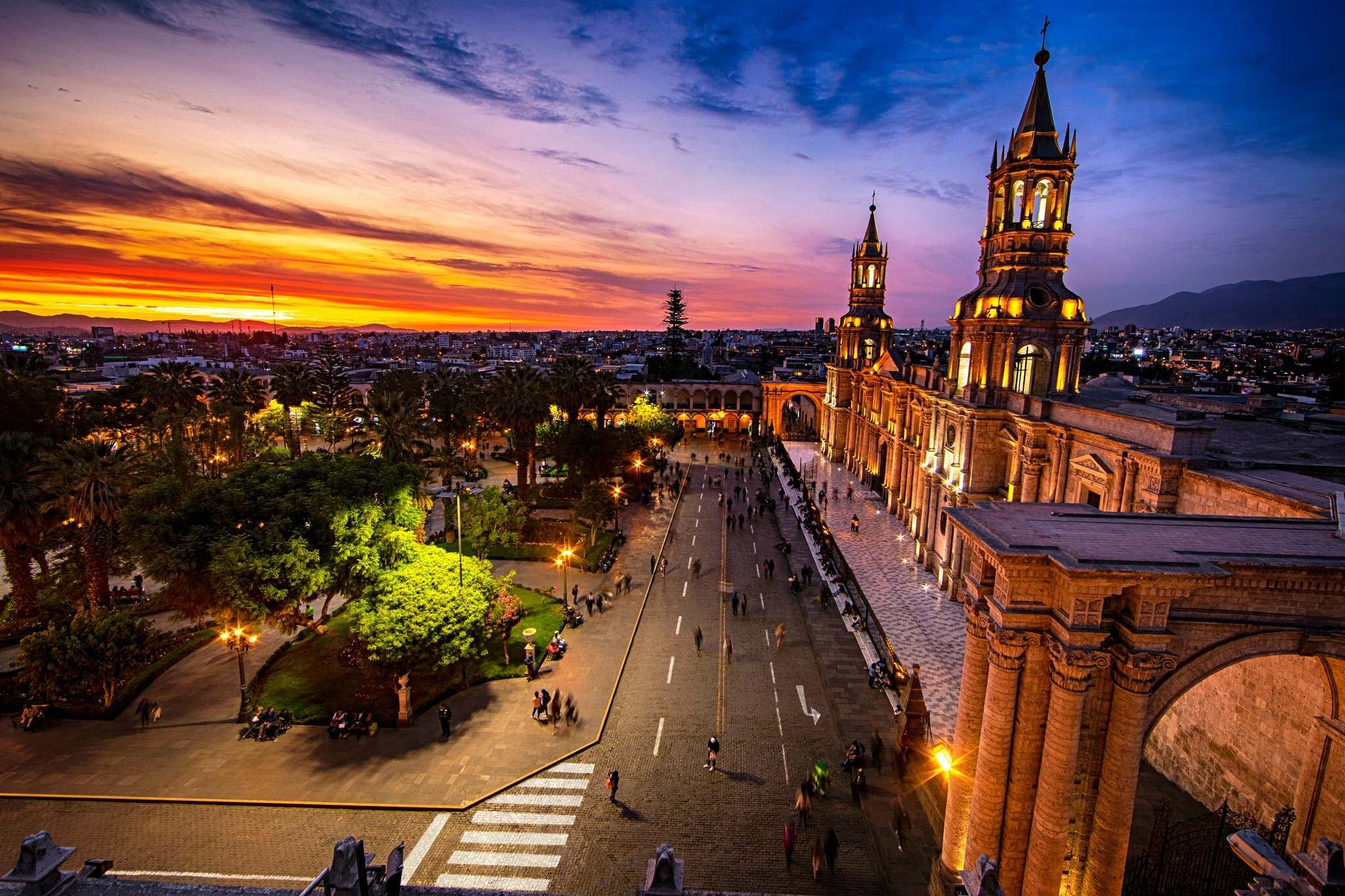
Il viaggio in Perù non è mai lineare: è fatto di stratificazioni, di altitudini emotive, di sapori che parlano lingue antiche e contemporanee insieme. Non sorprende, allora, che nel 2025 il Paese sudamericano abbia conquistato quattro tra i più prestigiosi riconoscimenti dei World Travel Awards, riaffermando il suo ruolo di protagonista assoluto nel panorama turistico mondiale.
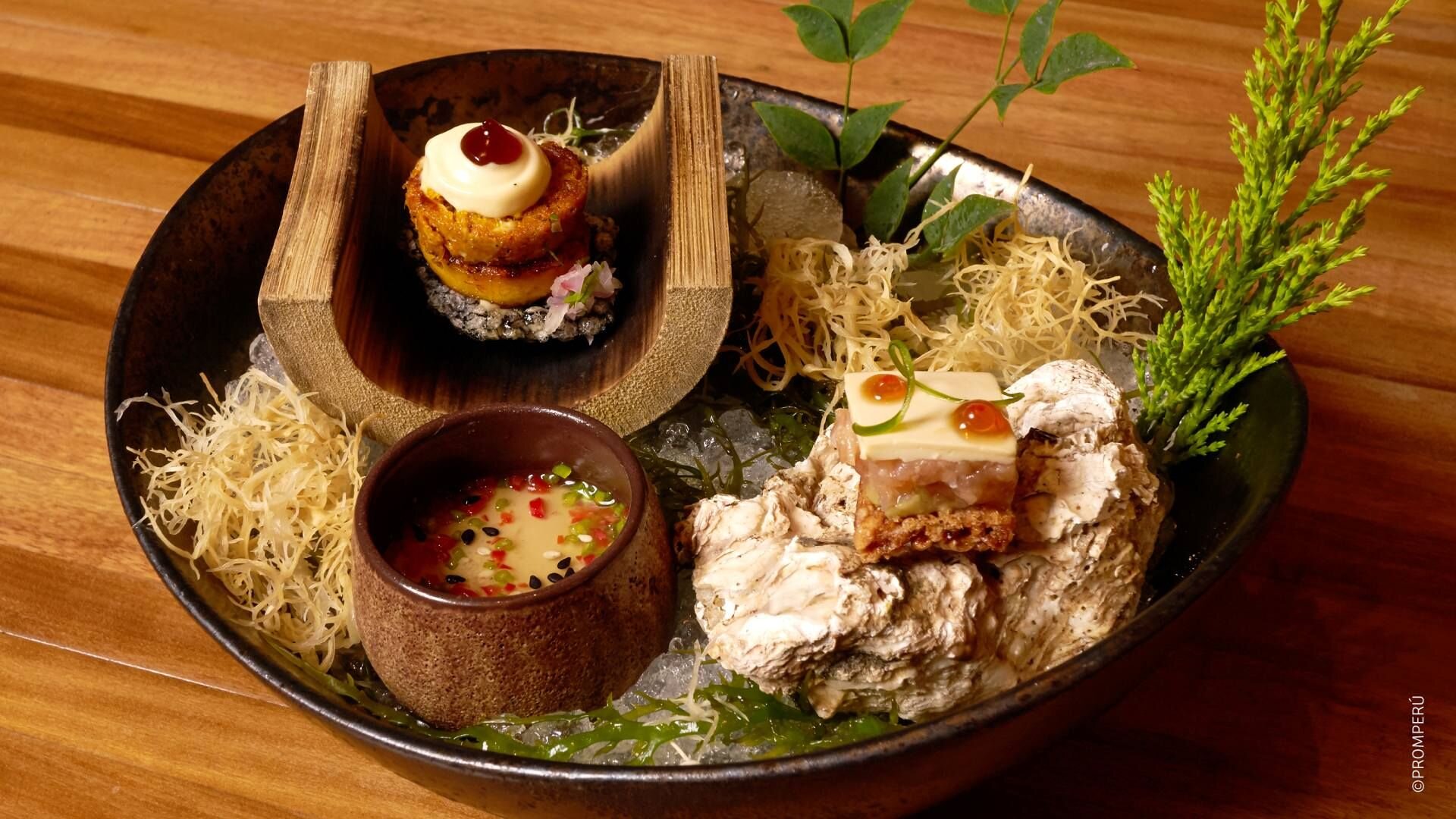
Il titolo di World’s Leading Culinary Destination 2025 non è soltanto una medaglia da esibire, ma la certificazione di un’identità profonda. In Perù, la cucina non è un’attrazione accessoria: è una chiave di lettura del territorio. Dai profumi delle Ande alle suggestioni amazzoniche, fino alla freschezza estrema della costa pacifica, ogni piatto diventa racconto, memoria, visione.
Accanto al primato gastronomico, il Perù si è aggiudicato anche il riconoscimento come World’s Leading Cultural Destination 2025, un premio che celebra la straordinaria ricchezza umana e simbolica del Paese. Qui la cultura non vive solo nei musei o nei siti archeologici, ma nelle comunità, nelle feste popolari, nei gesti quotidiani che resistono al tempo. È un patrimonio vivo, che si rinnova senza perdere radici.
A suggellare questo racconto arriva il premio forse più iconico: Machu Picchu, eletto World’s Leading Tourist Attraction 2025, continua a incarnare l’idea stessa di meraviglia. Non solo per la sua imponenza, ma per la capacità di dialogare con chi lo visita, sospeso tra spiritualità, natura e silenzio.
E poi c’è Lima, capitale complessa e magnetica, riconosciuta come World’s Leading Heritage City Destination 2025. Una città che non si concede subito, ma che ripaga chi sa osservare: architetture coloniali, quartieri creativi come Barranco, mercati brulicanti di vita e rooftop affacciati sull’Oceano Pacifico, dove il tramonto diventa rito urbano.
A coordinare e rendere possibile questa visione c’è anche il lavoro di PROMPERÚ, nominato World’s Leading Tourist Board 2025, a conferma di una strategia capace di valorizzare il Paese senza snaturarlo, raccontandone l’autenticità con intelligenza e rispetto.
Un itinerario che va oltre i classici
Dopo questi riconoscimenti, il Perù invita a essere vissuto con lentezza. Lima merita almeno due giorni pieni, tra ristoranti simbolo e cucina quotidiana, passeggiate sul mare e incursioni nei quartieri più creativi. Ma il viaggio non si esaurisce nel celebre asse del sud.
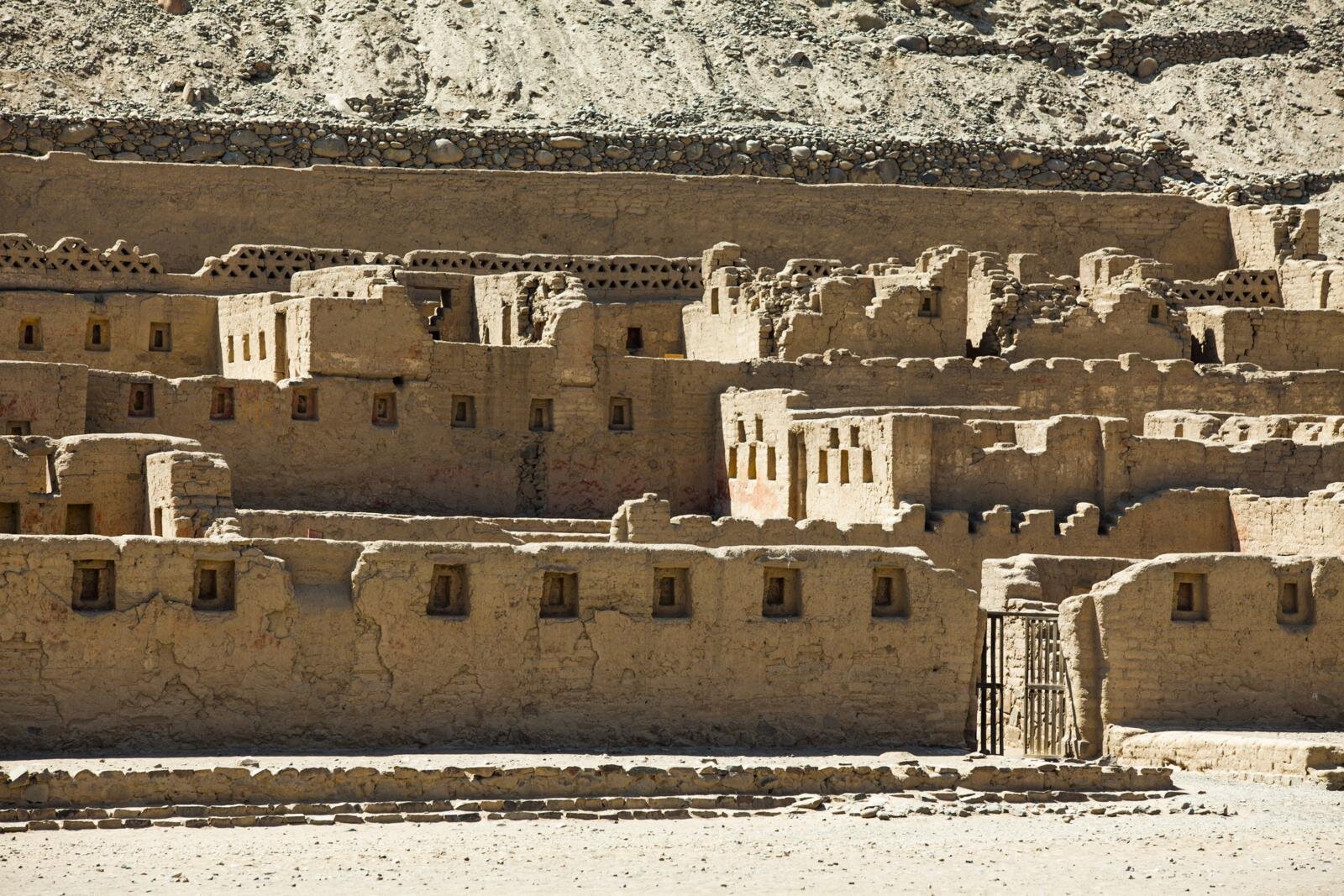
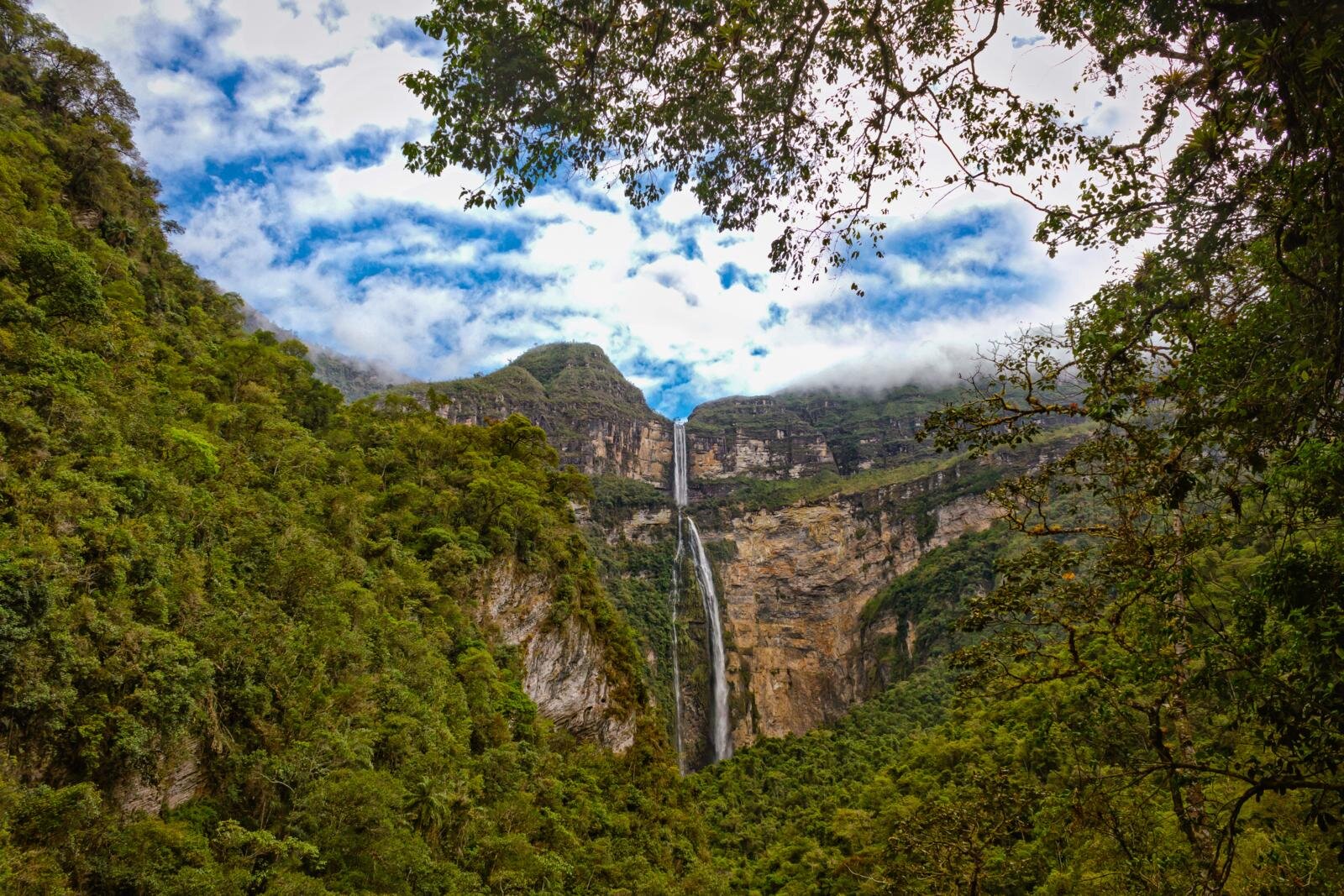
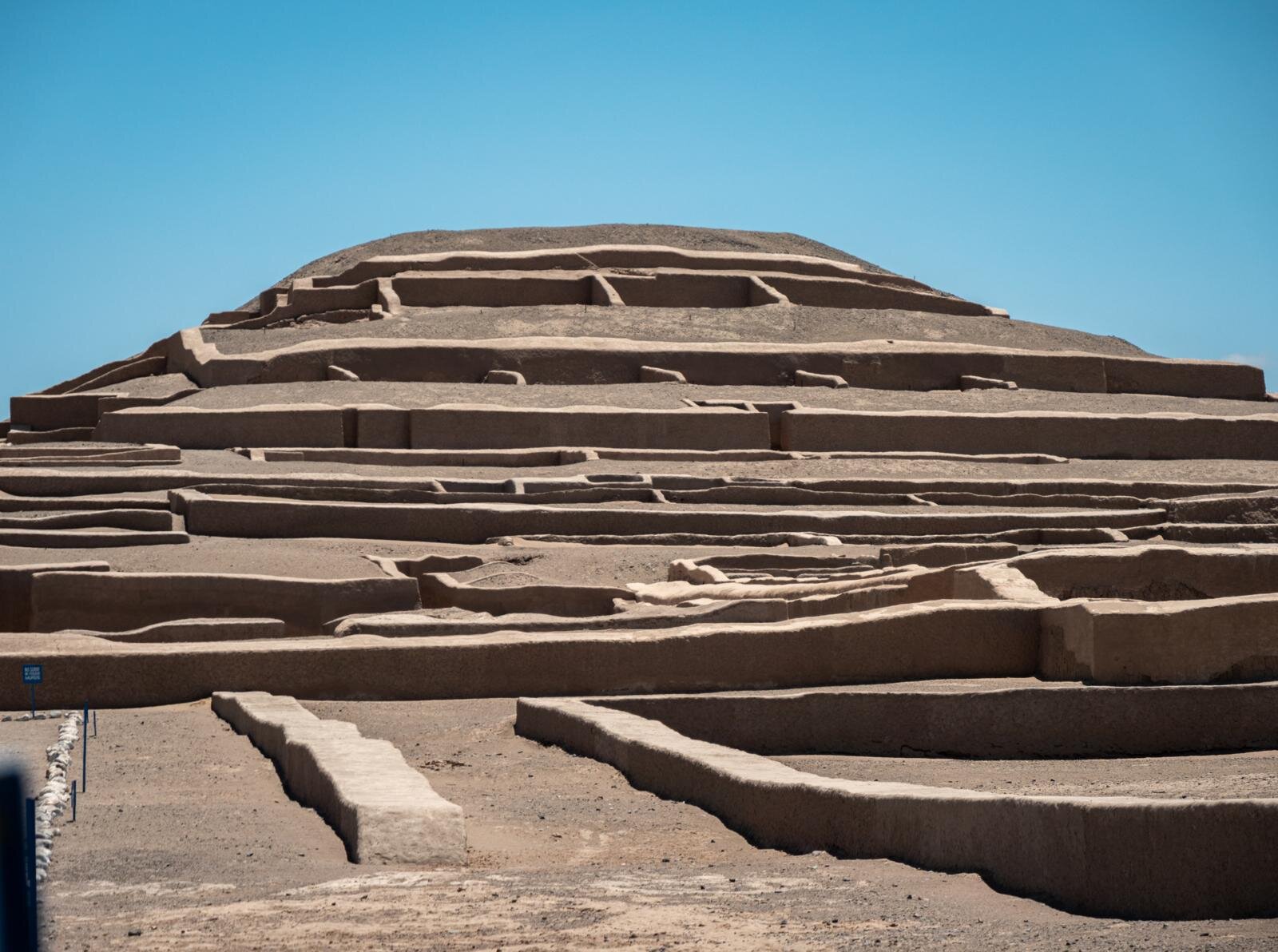
Nel nord, regioni come Lambayeque e La Libertad offrono un Perù meno raccontato e profondamente affascinante. A Lambayeque, i siti di Túcume e il Museo delle Tombe Reali di Sipán aprono uno sguardo sulla raffinatezza della civiltà Moche. A La Libertad, l’antica città di Chan Chan e l’eleganza coloniale di Trujillo raccontano un’altra idea di bellezza, più silenziosa e intensa. Entrambe fanno parte della Ruta di Leone, un itinerario culturale e spirituale che unisce memoria, territorio e identità.
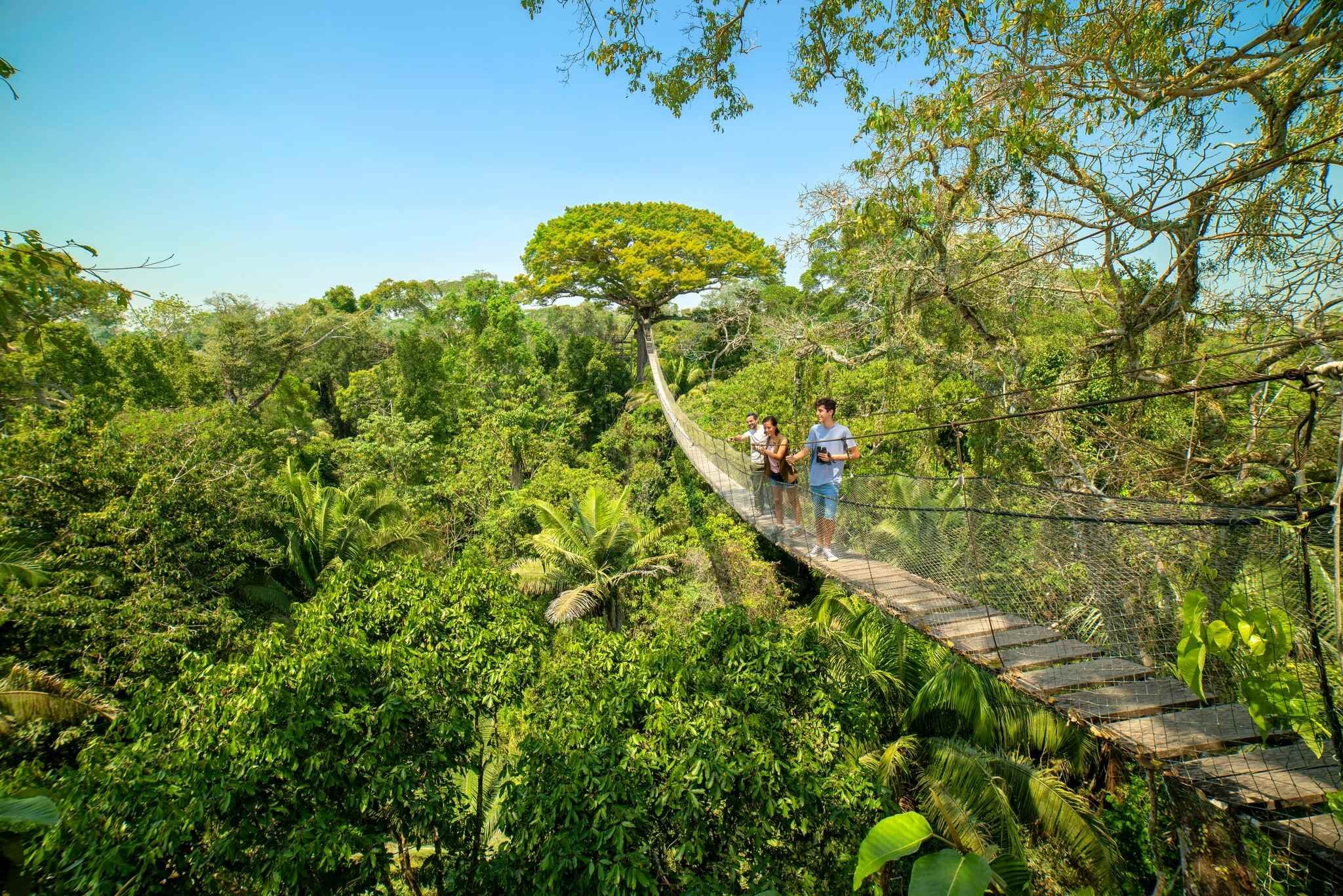
Viaggiare in Perù, oggi, significa dunque scegliere un’esperienza completa, riconosciuta a livello internazionale ma ancora capace di sorprendere. Un Paese dove un ceviche mangiato in riva al mare può avere lo stesso peso emotivo di una celebrazione andina o di un’escursione nella foresta amazzonica.
La cucina peruviana, un atlante di sapori
La cucina peruviana continua a parlare al mondo con una voce sempre più autorevole. Ai World Culinary Awards 2025, il Perù è stato eletto Migliore destinazione culinaria dell’America Latina, mentre Lima ha conquistato il titolo di Migliore città culinaria dell’America Latina. Premi che non fanno che confermare una realtà ormai evidente: qui il cibo è cultura, paesaggio e visione.
Un Paese, mille cucine
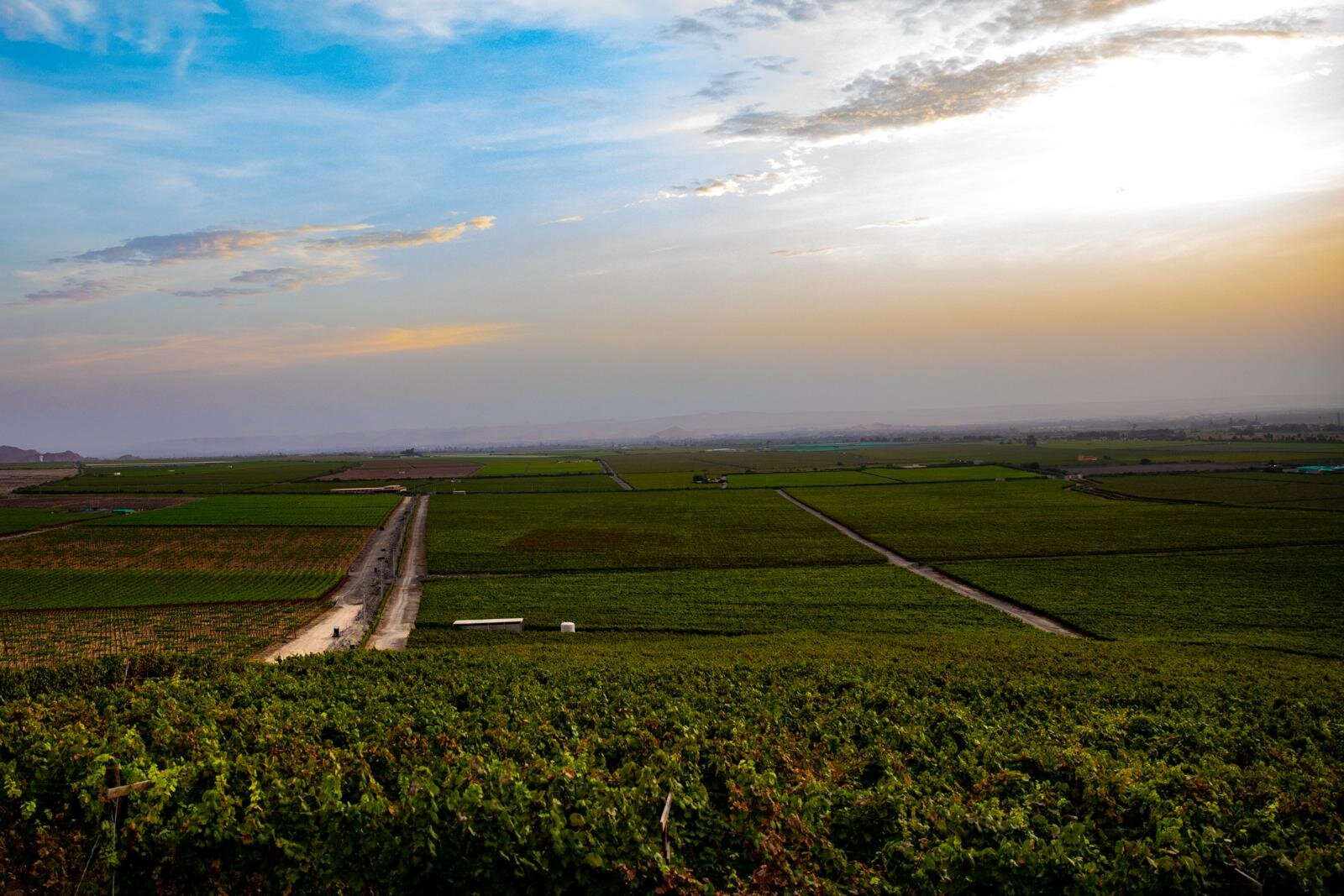
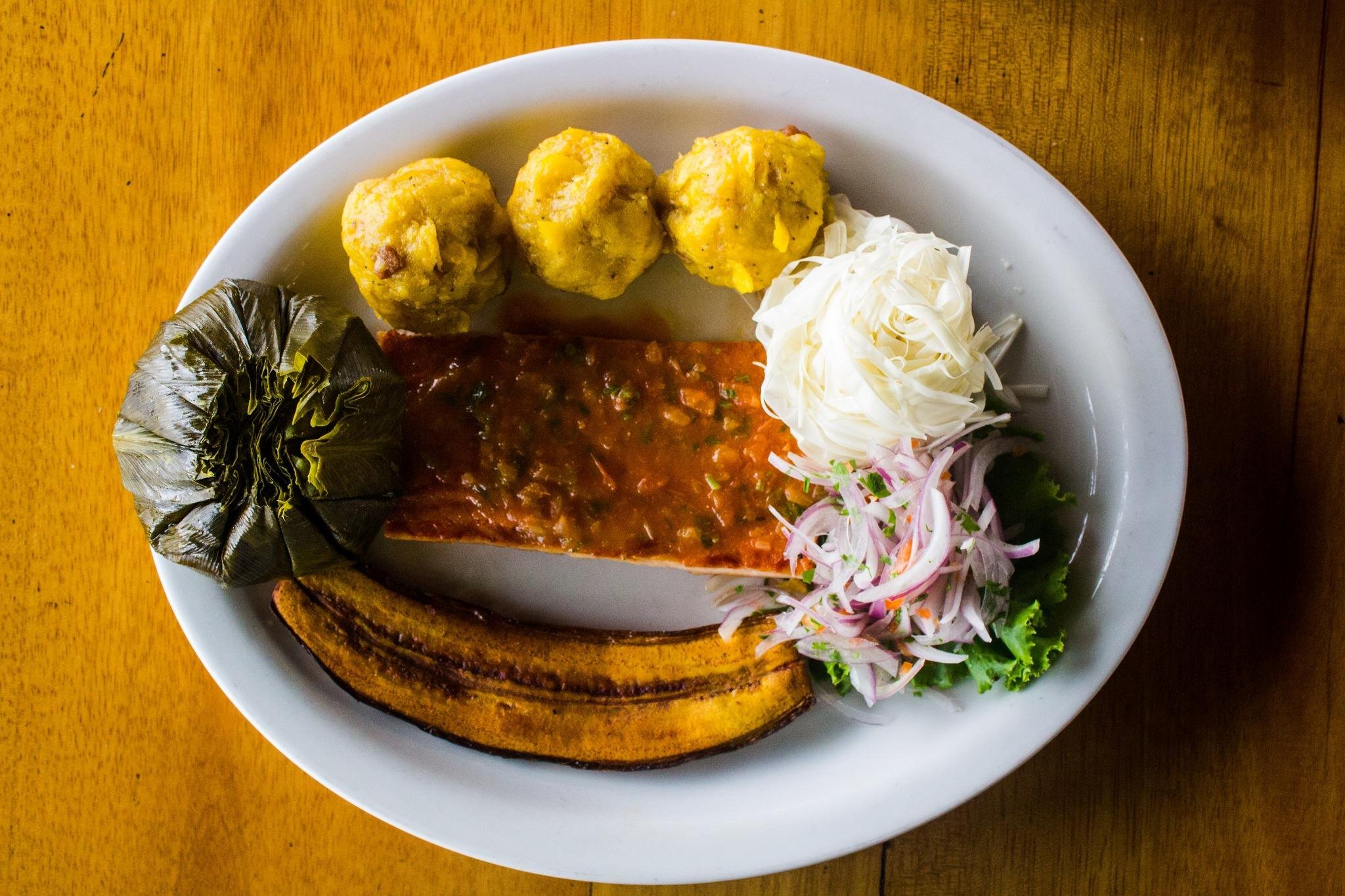
La gastronomia peruviana nasce da una biodiversità impressionante e da una storia fatta di incontri. Ingredienti ancestrali come patate, mais, quinoa e ají convivono con influenze africane, europee e asiatiche, dando vita a un equilibrio raro tra tradizione e innovazione.
Nelle Ande, la pachamanca, cotta sotto terra, è molto più di una ricetta: è un rito collettivo, un atto di rispetto verso la terra. In Amazzonia, frutti come il camu camu e pesci d’acqua dolce come il paiche raccontano una cucina essenziale e potente. Sulla costa, il ceviche diventa gesto quotidiano, un dialogo diretto con l’oceano.
Lima, capitale del gusto
Oggi Lima è uno dei grandi epicentri gastronomici del continente. Accanto ai mercati popolari, come quelli di San Isidro, convivono ristoranti che guidano le classifiche internazionali, tra cui il celebre Maido. Ma il vero fascino della città sta nella sua doppia anima: qui un anticucho mangiato per strada o un lomo saltado condiviso in una tavola informale possono emozionare quanto una cena d’autore.
Perú Mucho Gusto Lima
A raccontare questa energia c’è anche Perú Mucho Gusto Lima, la più grande fiera gastronomica del Paese, in programma ogni anno a fine ottobre. Un evento aperto e inclusivo, dove assaggiare piatti iconici, incontrare produttori, assistere a spettacoli e comprendere davvero perché il Perù è diventato un punto di riferimento globale del gusto.
Il Perù invita a un viaggio che comincia a tavola e finisce nel cuore. Tra sapori ancestrali, creatività contemporanea e un’umanità autentica, è facile capire perché, ancora una volta, questo Paese sia considerato il cuore culinario dell’America Latina.
The Triumph of Peru at the World Travel Awards 2025
A cuisine that tells the story of the world
Traveling through Peru is never linear. It unfolds through layers, emotional altitudes, and flavors that speak both ancient and contemporary languages. It comes as no surprise, then, that in 2025 the South American country claimed four of the most prestigious accolades at the World Travel Awards, reaffirming its position as a leading global destination.
The title of World’s Leading Culinary Destination 2025 is not merely a trophy to display, but the recognition of a deep-rooted identity. In Peru, cuisine is not a secondary attraction: it is a key to understanding the land itself. From the aromas of the Andes to Amazonian nuances and the striking freshness of the Pacific coast, every dish becomes a narrative of memory, culture, and vision.
Alongside its culinary primacy, Peru was also named World’s Leading Cultural Destination 2025, celebrating the country’s extraordinary human and symbolic richness. Here, culture does not live only in museums or archaeological sites, but within communities, popular festivals, and everyday gestures that withstand the passing of time. It is a living heritage, constantly renewing itself without losing its roots.
Completing this narrative is perhaps the most iconic award of all: Machu Picchu, crowned World’s Leading Tourist Attraction 2025, which continues to embody the very idea of wonder. Not only for its grandeur, but for its ability to engage visitors in a suspended dialogue between spirituality, nature, and silence.
Then there is Lima, a complex and magnetic capital, recognized as World’s Leading Heritage City Destination 2025. A city that does not reveal itself immediately, yet deeply rewards those willing to observe: colonial architecture, creative districts such as Barranco, bustling markets, and rooftops overlooking the Pacific Ocean, where sunset becomes an urban ritual.
Behind this vision stands the work of PROMPERÚ, named World’s Leading Tourist Board 2025, confirming a strategy capable of promoting the country internationally while preserving its authenticity, with intelligence and respect.
An itinerary beyond the classics
Following these accolades, Peru invites travelers to slow down. Lima deserves at least two full days, spent between iconic restaurants and everyday cuisine, seaside walks, and explorations of its most creative neighborhoods. Yet the journey does not end along the classic southern route.
In the north, regions such as Lambayeque and La Libertad reveal a lesser-known and deeply fascinating Peru. In Lambayeque, sites like Túcume and the Royal Tombs of Sipán Museum offer insight into the refined legacy of the Moche civilization. In La Libertad, the ancient city of Chan Chan and the colonial elegance of Trujillo tell a quieter, more introspective story of beauty. Both regions are part of the Ruta di Leone, a cultural and spiritual itinerary connecting memory, territory, and identity.
Traveling through Peru today means choosing a complete experience—internationally acclaimed yet still capable of surprising. A country where a ceviche enjoyed by the sea can carry the same emotional weight as an Andean celebration or an expedition into the Peruvian Amazon.
Peruvian cuisine, an atlas of flavors
Peruvian cuisine continues to speak to the world with an increasingly authoritative voice. At the World Culinary Awards 2025, Peru was named Latin America’s Best Culinary Destination, while Lima earned the title of Latin America’s Best Culinary City. These awards confirm what has long been evident: here, food is culture, landscape, and vision.
One country, a thousand cuisines
Peruvian gastronomy is born from extraordinary biodiversity and a long history of cultural encounters. Ancestral ingredients such as potatoes, corn, quinoa, and ají coexist with African, European, and Asian influences, creating a rare balance between tradition and innovation.
In the Andes, pachamanca, cooked underground, is far more than a recipe—it is a collective ritual and an act of respect for the earth. In the Amazon, fruits like camu camu and freshwater fish such as paiche tell the story of an essential yet powerful cuisine. Along the coast, ceviche becomes a daily gesture, a direct dialogue with the ocean.
Lima, the capital of taste
Today, Lima stands as one of Latin America’s great gastronomic hubs. Traditional markets, such as those in San Isidro, coexist with restaurants that lead international rankings, including the celebrated Maido. Yet the city’s true charm lies in its dual soul: a street-side anticucho or a shared plate of lomo saltado can be just as moving as a fine-dining experience.
Perú Mucho Gusto Lima
This vibrant energy is also captured by Perú Mucho Gusto Lima, the country’s largest gastronomic fair, held every year in late October. An open and inclusive event where visitors can taste iconic dishes, meet local producers, enjoy cultural performances, and truly understand why Peru has become a global reference point for food culture.
Peru invites travelers on a journey that begins at the table and ends in the heart. Between ancestral flavors, contemporary creativity, and authentic human warmth, it is easy to see why, once again, this country is considered the culinary heart of Latin America.