Prima di essere Peschiera del Garda, questo luogo era Arilica: un punto di passaggio, un crocevia di rotte, scambi, attraversamenti. Recuperare oggi quel toponimo significa riportare in superficie una vocazione antica e rileggerla nel presente, spostandola dal piano geografico a quello culturale.
È da qui che prende forma la prima edizione di Arilica Festival (21 marzo – 24 maggio). Un progetto che lavora sulla città come spazio attivo, da attraversare e risignificare. Il tempo storico, stratificato nelle architetture e nei paesaggi, entra in relazione con pratiche contemporanee che ne mettono in discussione l’uso, il senso, la percezione.
Il progetto, fortemente voluto dall’amministrazione comunale e dall’assessore alla cultura Elisa Ciminelli, trova nella direzione artistica di Matteo Vanzan una linea chiara: trasformare la città in materia viva. Non un contenitore, ma un organismo che reagisce, assorbe, restituisce.
E in effetti Arilica sembra costruito proprio su questa idea di permeabilità. Le piazze, i parchi, le architetture storiche non fanno da sfondo: diventano parte attiva del racconto. L’arte esce dai luoghi canonici e si infiltra nel quotidiano, generando un’esperienza diffusa che chiede al pubblico di osservare e abitare quegli spazi.
La dimensione visiva è uno dei primi varchi di accesso. La mostra “Inno alla luce” di Athos Faccincani apre il percorso come una dichiarazione luminosa, quasi necessaria. Ma è con progetti come “Light & Shadow” e “Blablabla. Contro il linguaggio esausto” che il festival mostra il suo lato più interessante: quello capace di interrogare il presente, di mettere in crisi i codici, di riflettere sull’eccesso comunicativo che ci attraversa ogni giorno.
In questo senso, Arilica costruisce spazi di frizione. Le installazioni diffuse, come quelle di Manuela Bedeschi e Beppe Borella, trasformano la città in un museo a cielo aperto, ma senza la retorica dell’evento: qui l’arte non monumentalizza, semmai destabilizza.
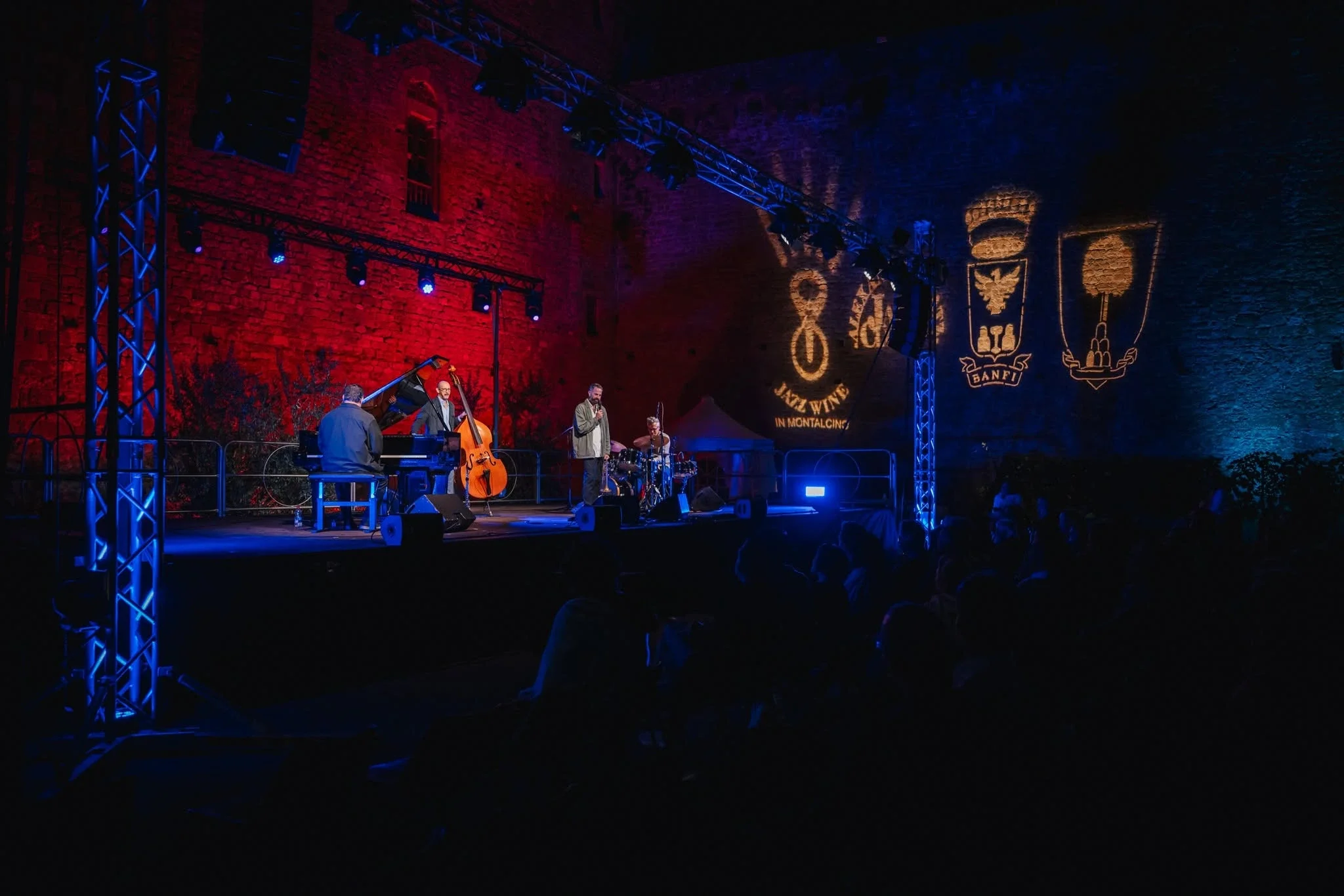
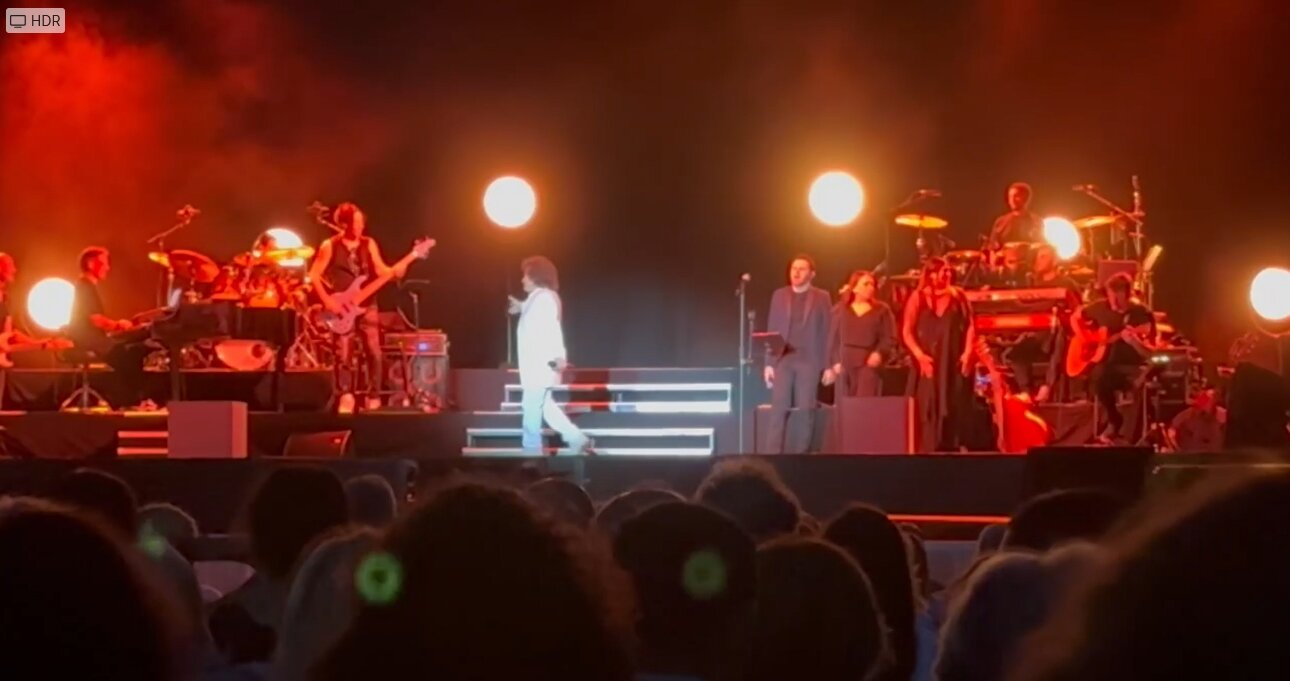
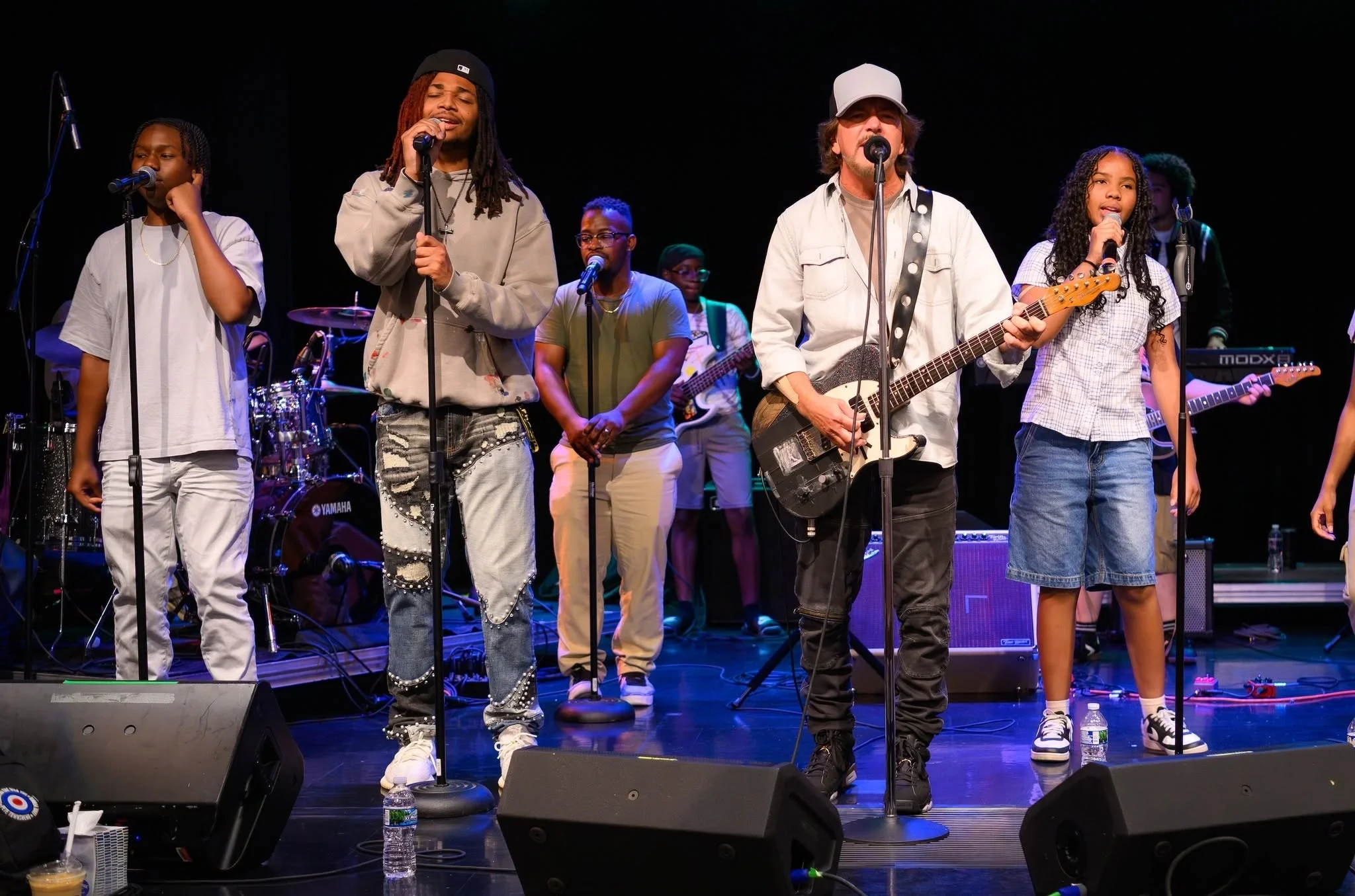
Anche il suono gioca un ruolo centrale. I concerti e i progetti musicali attraversano territori diversi, dal folk alla sperimentazione, dal jazz d’avanguardia alla ricerca sonora, creando una trama che tiene insieme esperienze apparentemente lontane. La presenza di artisti come Phill Reynolds, Olly Riva e Alan Bedin restituisce proprio questa pluralità, senza gerarchie.
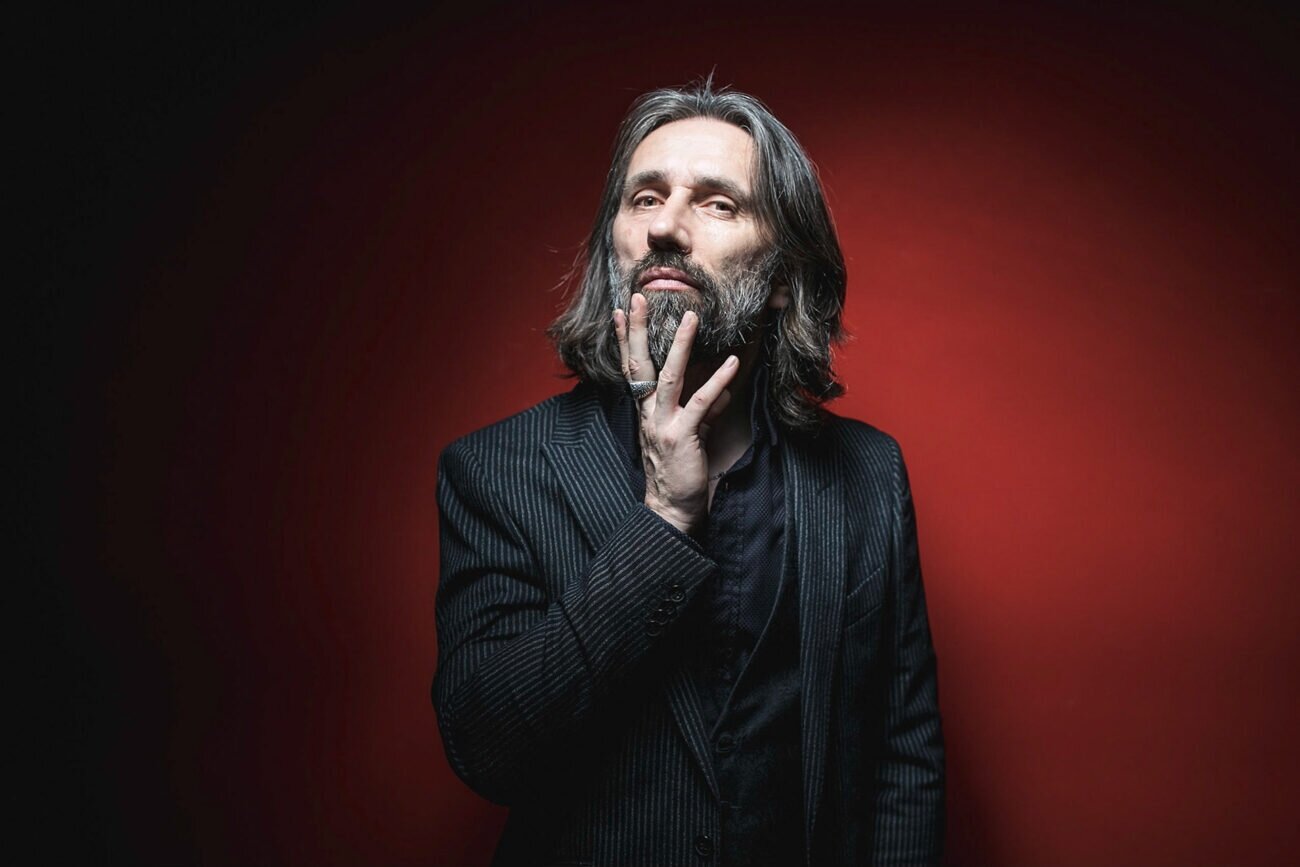
Tra gli ospiti, Cristiano Godano rappresenta forse uno dei punti di connessione più forti tra musica e riflessione. La presentazione del suo libro Il suono della rabbia diventa l’occasione per interrogarsi su cosa significhi oggi trasformare un’urgenza emotiva in linguaggio.
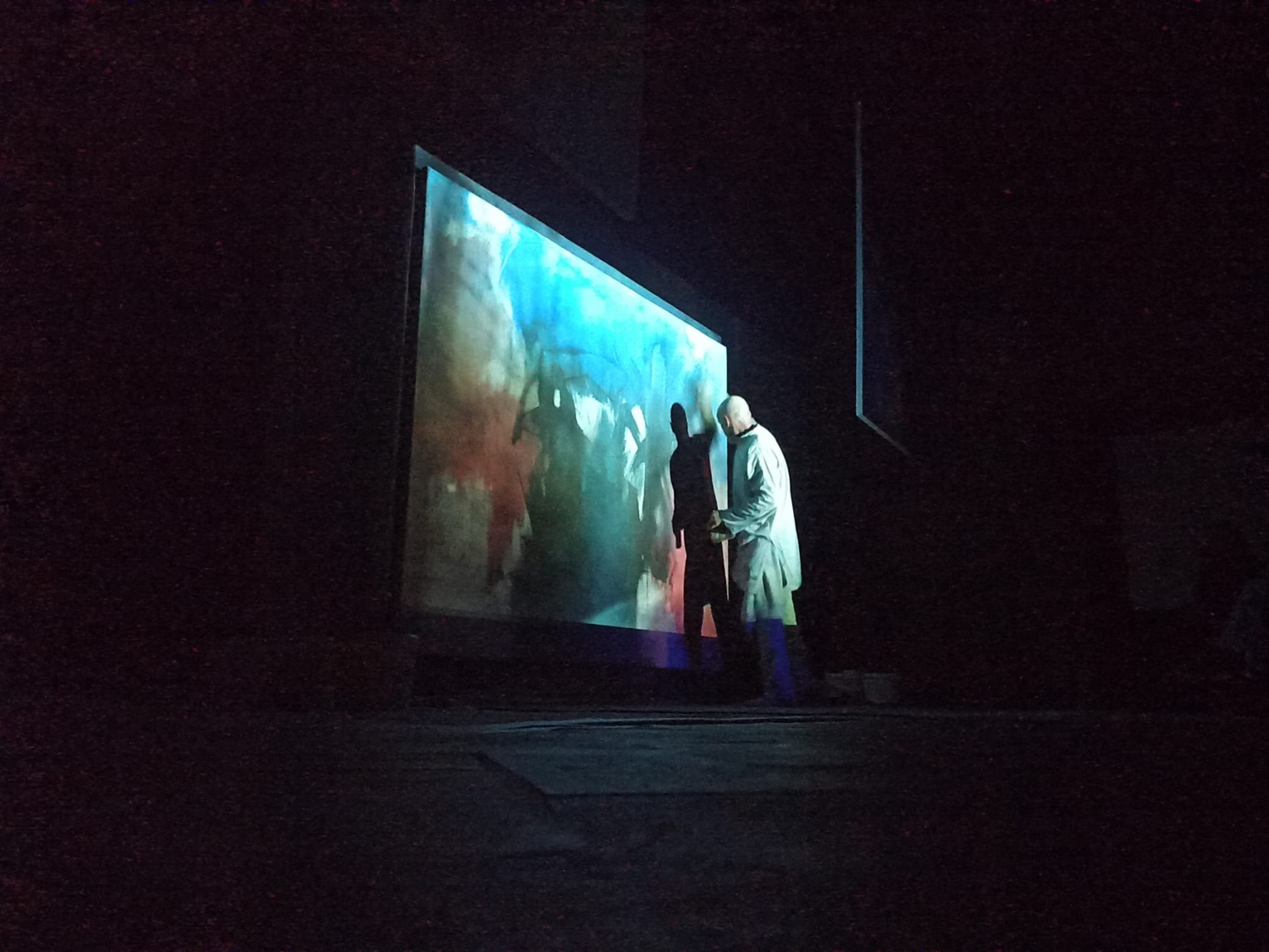
E poi il teatro, che qui si fa esperienza ravvicinata, quasi fisica. L’“Amleto” della Archibugio Compagnia Teatrale diventa un dispositivo immersivo che rimette in gioco il rapporto tra attore e spettatore. Così come i progetti performativi e le azioni urbane, dal live painting alle performance collettive, contribuiscono a costruire una dimensione partecipata, in cui il confine tra chi guarda e chi agisce diventa sempre più sottile.
Ma forse l’aspetto più interessante di Arilica sta nella sua ambizione di restituire alla cultura una funzione spesso dimenticata, quella di spazio condiviso di conoscenza e, allo stesso tempo, alla città il suo ruolo più profondo: quello di luogo in cui le cose accadono davvero.
Perché, alla fine, il punto non è cosa succede a Peschiera del Garda in quei due mesi. Il punto è cosa resta dopo. Se davvero, come suggerisce il nome, Arilica tornerà a essere un passaggio. Non solo di persone, ma di idee.
Il programma e le altre informazioni: WWW.ARILICAFESTIVAL.IT
Arilica: when a city becomes language
Before being Peschiera del Garda, this place was Arilica: a point of passage, a crossroads of routes, exchanges, and movements. Bringing that ancient name back today means resurfacing a deep-rooted vocation and reinterpreting it in the present, shifting it from a geographical dimension to a cultural one.
This is where the first edition of ARILICA Festival (March 21 – May 24) takes shape. A project that treats the city as an active space, to be crossed and re-signified. Historical time, layered within architecture and landscapes, enters into dialogue with contemporary practices that question its use, meaning, and perception.
Strongly supported by the local administration and Cultural Councillor Elisa Ciminelli, the project finds a clear direction in the artistic vision of Matteo Vanzan: to transform the city into living matter. Not a container, but an organism that reacts, absorbs, and gives back.
And indeed, ARILICA is built around this idea of permeability. Squares, parks, and historical architectures are not mere backdrops: they become active parts of the narrative. Art steps out of its conventional spaces and seeps into everyday life, generating a widespread experience that invites the audience to observe and inhabit these places.
The visual dimension is one of the first entry points. The exhibition “Inno alla luce” by Athos Faccincani opens the path like a luminous, almost necessary statement. But it is with projects such as “Light & Shadow” and “BLABLABLA. Contro il linguaggio esausto” that the festival reveals its most compelling side: its ability to question the present, challenge codes, and reflect on the excess of communication that defines our time.
In this sense, ARILICA creates spaces of friction. The site-specific installations by Manuela Bedeschi and Beppe Borella turn the city into an open-air museum, but without the rhetoric of spectacle: here, art does not monumentalize—it destabilizes.
Sound also plays a central role. Concerts and musical projects move across different territories—from folk to experimentation, from avant-garde jazz to sound research—creating a texture that connects seemingly distant experiences. Artists such as Phill Reynolds, Olly Riva, and Alan Bedin embody this plurality, without hierarchies.
Among the guests, Cristiano Godano represents one of the strongest connections between music and reflection. The presentation of his book Il suono della rabbia becomes an opportunity to question what it means today to transform emotional urgency into language.
Then there is theatre, here experienced in an intimate, almost physical way. Hamlet by Archibugio Compagnia Teatrale becomes an immersive device that redefines the relationship between actor and audience. Alongside this, performative projects and urban actions—from live painting to collective performances—help build a participatory dimension where the boundary between observer and participant becomes increasingly blurred.
Perhaps the most interesting aspect of ARILICA lies in its ambition to restore culture to a function often forgotten—that of a shared space for knowledge—and, at the same time, to give the city back its deepest role: a place where things truly happen.
Because, in the end, the point is not what happens in Peschiera del Garda during those two months. The point is what remains afterwards. Whether, as the name suggests, Arilica will once again become a passage—not only for people, but for ideas.