Bisogna ammetterlo con la sincerità che si deve ai vecchi amori: eravamo pronti a rassegnarci a un lungo, decoroso tramonto. Dopo anni passati a osservare gli U2 inseguire una rilevanza pop che sembrava sfuggirgli tra le dita, il rischio di scivolare nello sconforto era diventato una certezza. Poi, nel silenzio di un Venerdì Santo che nessuno immaginava elettrico, è arrivato Easter Lily. Ed è accaduta la cosa più difficile di tutte, quasi un piccolo miracolo laico: ci siamo riconciliati con loro.
Non è mai scontato ritrovarsi. Spesso si dice che l’ispirazione di una grande band non possa eccedere il decennio d’oro o giù di lì, quel perimetro magico in cui sono nati capolavori come The Joshua Tree o Achtung Baby. Superata quella soglia, il rischio è diventare la parodia di se stessi. Eppure, fin dalle prime note di Song For Hal, la sensazione è quella di un nastro ritrovato tra le sessioni di registrazione di Zooropa. Si fa presto a dire che sia facile rifare se stessi, magari copiando la formula di quando si era la più grande rock band del pianeta. In realtà, è un’impresa quasi impossibile: il mood del 1993 è svanito, l’età dei quattro di Dublino è profondamente diversa, così come è mutato irreversibilmente il mondo e la musica che ci circonda. Ritrovare quella magia, senza che suoni come un esercizio di stile o un manierismo fuori tempo massimo, ha il sapore del prodigio.
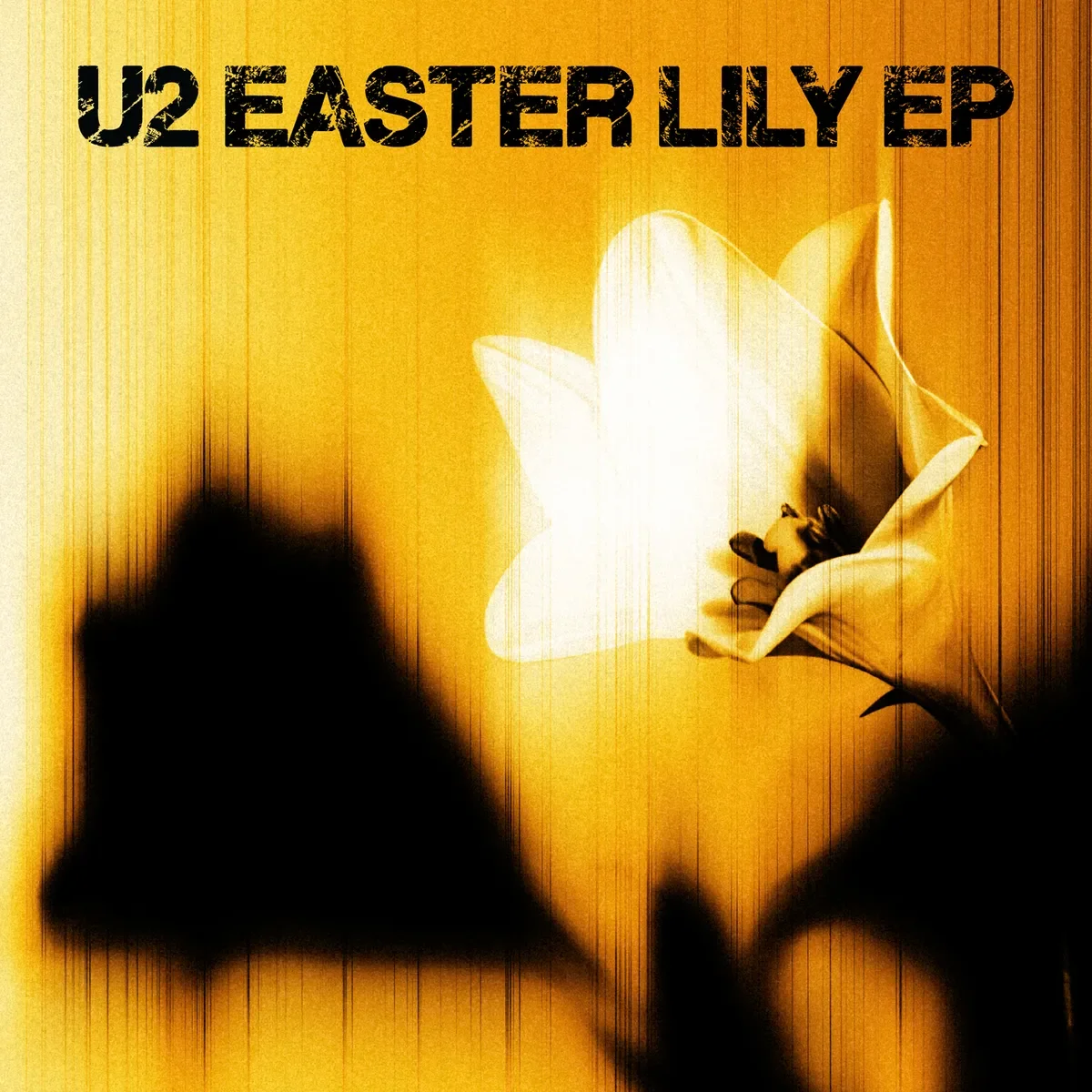
Questo EP, che segue a soli quaranta giorni Days of Ash, chiude un cerchio simbolico potente. Se il lavoro del Mercoledì delle Ceneri era sporco, reattivo e guardava fuori verso le ferite del mondo, da Gaza a Minneapolis, il "Giglio di Pasqua" si volge verso l’interno. Il giglio è un fiore che parla di resurrezione ma anche di insurrezione, profondamente radicato nella terra irlandese e nella memoria del 1916. Qui la spiritualità torna a essere "militante", meno retorica.
La vera sorpresa risiede nella capacità di Edge di riprendersi la scena. In Song For Hal, dedicata al compianto Hal Willner, la sua voce si confonde con quella di Bono, in un gioco di specchi commovente, dove il nostro guitar hero torna a disegnare quegli spazi eterei che avevamo amato. Nonostante ancora in qualche traccia attacchino a suonare il rock stadio che tanto dava la nausea a Brian Eno, nel nuovo EP si avverte un carattere che mancava da troppo tempo. C'è carne, c'è sangue, non solo plastica produttiva.
Il vertice emotivo del disco, tuttavia, arriva con la chiusura affidata a Coexist. In questo brano spariscono le chitarre per lasciare spazio a un delicato tappeto sonoro curato da Brian Eno (Bentornato!) con Bono che abbandona ogni velleità da profeta urlante per farsi voce narrante quasi a voler evocare il fantasma urbano e dolente di Lou Reed . Sentirlo sussurrare i salmi sopra un battito elettronico minimale ci restituisce la versione più autentica di un uomo che, nonostante tutto, non ha ancora finito di cercare.
Easter Lily costringe anche il detrattore più incallito a tornare sui propri passi e riascoltare con maggiore profondità Days of Ash, un lavoro forse accolto con distrazione o liquidato con troppa fretta. Agli U2 di oggi non possiamo più chiedere di fare la rivoluzione, ma ritrovarli capaci di tale onestà intellettuale, vederli rinunciare alla fanfara per scegliere l’urgenza creativa, è già di per sé una gran bella notizia.
Mentre ci avviamo verso il nuovo album previsto per la fine del 2026, la curiosità ha finalmente preso il posto della disillusione. Non sappiamo se questa sia una vera resurrezione o solo un momento di grazia passeggera, ma camminare di nuovo al loro fianco, senza il peso delle aspettative tradite, ha il sapore dolce di una pace ritrovata. È, in fondo, una sorta di ritorno a casa.
I’ll be there, I’ll be there… Tonight. A high road. A high road out from here.
(A sort of homecoming - The Unforgettable Fire 1984)
Reconciling with U2
It must be admitted with the sincerity owed to old loves: we were ready to resign ourselves to a long, dignified sunset. After years spent watching U2 chase a pop relevance that seemed to be slipping through their fingers, the risk of sinking into discouragement had become a certainty. Then, in the silence of a Good Friday that no one imagined would be electric, Easter Lily arrived. And the hardest thing of all happened, almost a small secular miracle: we reconciled with them.
Finding each other again is never a given. It is often said that a great band’s inspiration cannot exceed their golden decade or so—that magic perimeter that gave birth to masterpieces like The Joshua Tree or Achtung Baby. Beyond that threshold, the risk is becoming a parody of oneself. Yet, from the very first notes of Song For Hal, the feeling is that of a tape rediscovered from the Zooropa recording sessions. It is easy to say that it’s simple to remake oneself, perhaps copying the formula from when they were the greatest rock band on the planet. In reality, it is an almost impossible feat: the mood of 1993 is gone, the age of the Dublin four is profoundly different, just as the world and the music around us have irreversibly changed. To find that magic again, without it sounding like a stylistic exercise or out-of-time mannerism, tastes like a prodigy.
This EP, following Days of Ash by only forty days, closes a powerful symbolic circle. If the Ash Wednesday work was gritty, reactive, and looked outward at the wounds of the world—from Gaza to Minneapolis—the "Easter Lily" turns inward. The lily is a flower that speaks of resurrection but also of insurrection, deeply rooted in Irish soil and the memory of 1916. Here, spirituality returns to being "militant," less rhetorical.
The real surprise lies in The Edge’s ability to reclaim the stage. In Song For Hal, dedicated to the late Hal Willner, his voice merges with Bono’s in a moving hall of mirrors where our guitar hero returns to drawing those ethereal spaces we once loved. Despite the fact that in a few tracks they still strike up that stadium rock that once made Brian Eno so nauseous, this new EP carries a character that had been missing for too long. There is flesh, there is blood, not just production-line plastic.
The emotional peak of the record, however, arrives with the closing track, Coexist. In this song, the guitars vanish to make way for a delicate soundscape curated by Brian Eno (Welcome back!), with Bono abandoning any vainglory of the shouting prophet to become a narrator, almost as if evoking the urban and sorrowful ghost of Lou Reed. Hearing him whisper the psalms over a minimal electronic beat restores the most authentic version of a man who, despite everything, has not yet finished searching.
Easter Lily compels even the most hardened detractor to retrace their steps and listen with greater depth to Days of Ash, a work perhaps received with distraction or dismissed too hastily. We can no longer ask today’s U2 to start a revolution, but finding them capable of such intellectual honesty—seeing them renounce the fanfare to choose the path of creative urgency—is, in itself, great news.
As we move toward the new album expected for late 2026, curiosity has finally taken the place of disillusionment. We don’t know if this is a true resurrection or just a passing moment of grace, but walking by their side again, without the weight of betrayed expectations, has the sweet taste of a peace rediscovered. It is, ultimately, a sort of homecoming.
I’ll be there, I’ll be there… Tonight. A high road. A high road out from here.
(A sort of homecoming - The Unforgettable Fire 1984)
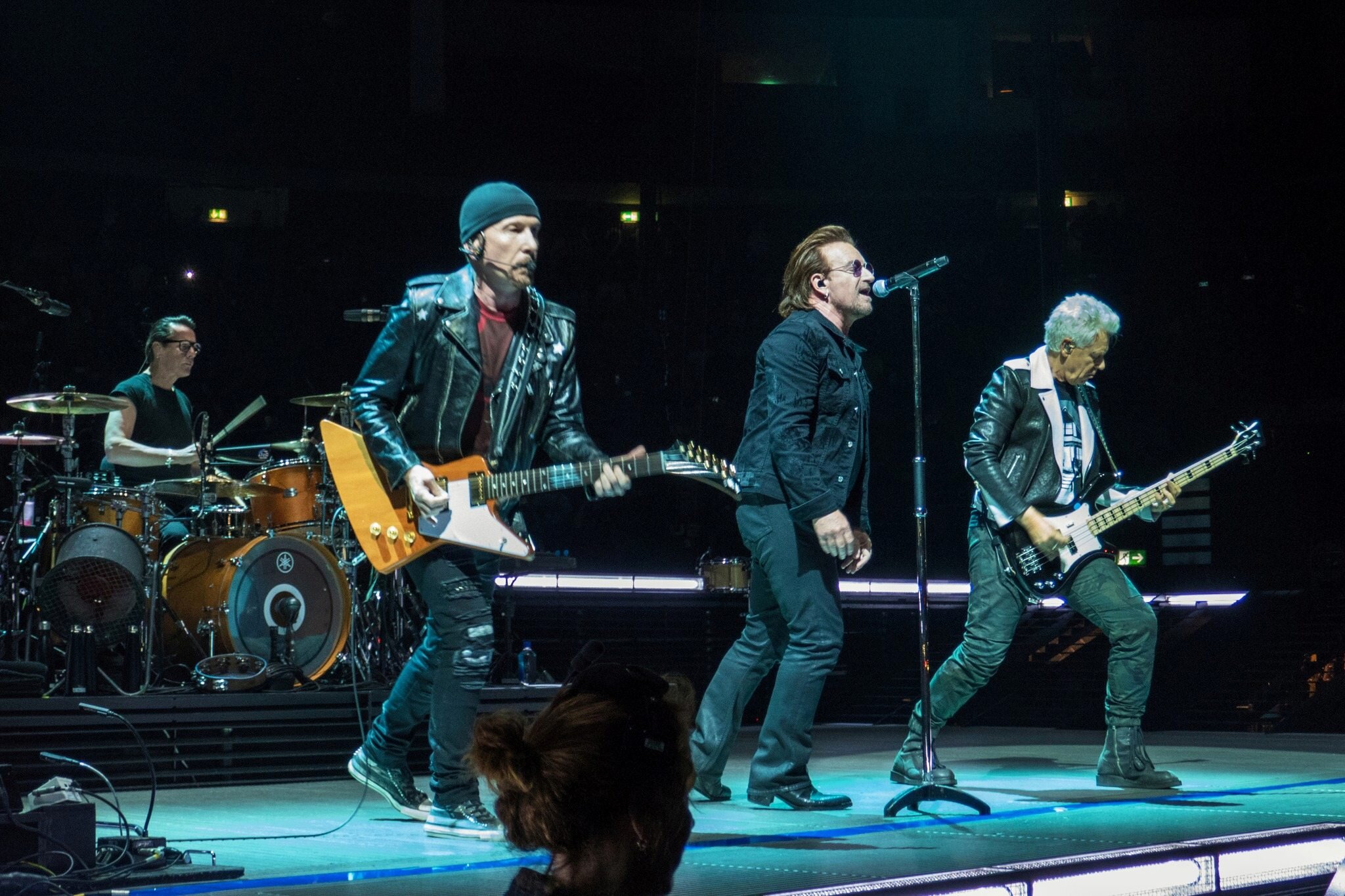
Ph U2 Petr (Happy24), CC BY 4.0 <https://creativecommons.org/licenses/by/4.0>, via Wikimedia Commons