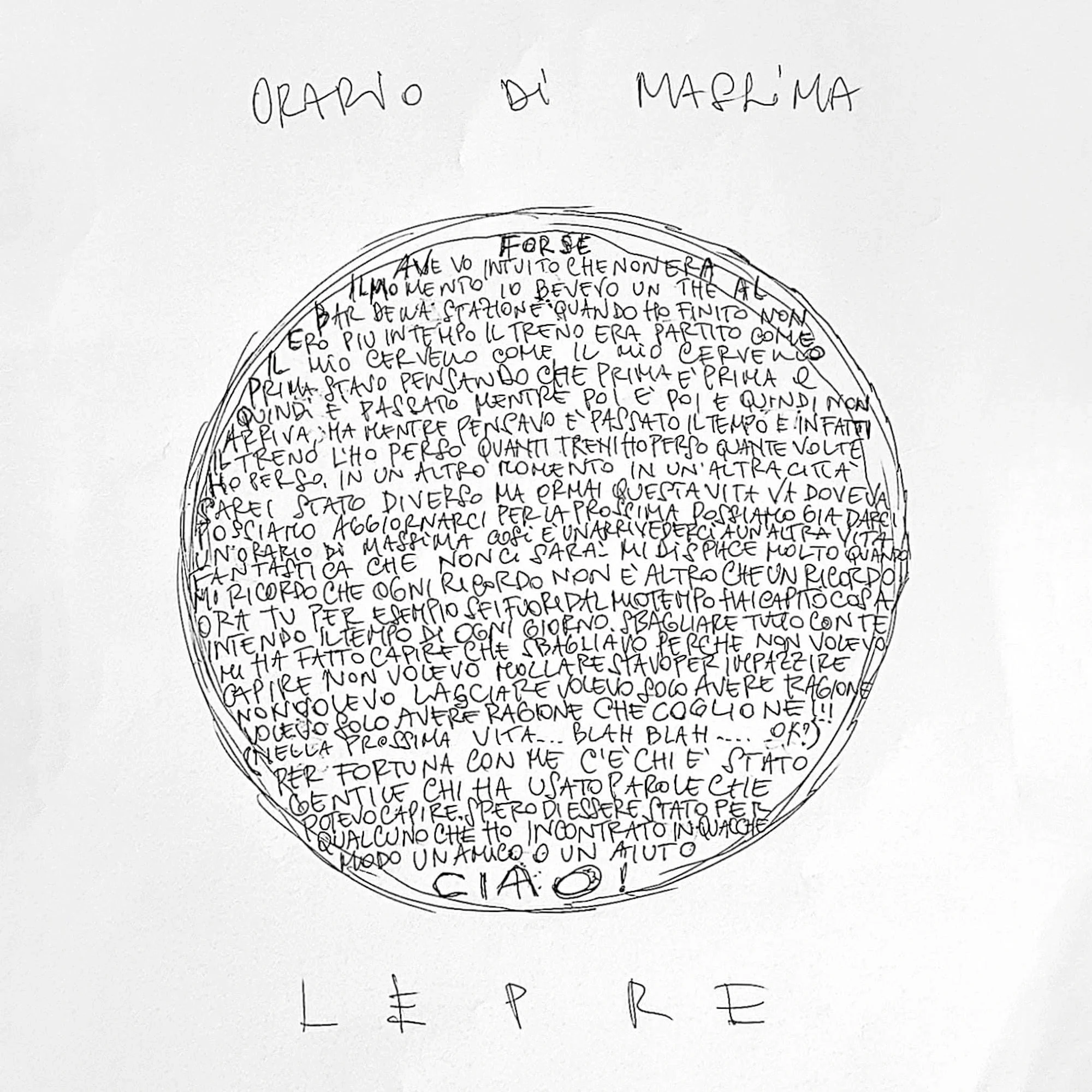
La musica pop dei nostri giorni ha un problema cronico con l’orologio e con l'autenticità. Ormai da tempo si è trasformata in una catena di montaggio votata all’urgenza pura, dove i brani vengono assemblati a tavolino da team di dieci autori, quasi sempre gli stessi, per inseguire la tendenza del momento prima che svanisca. In questo scenario saturo di canzoni fotocopia, capita che per decifrare il nuovo singolo di Lepre, pseudonimo dietro cui pulsa il talento inquieto di Lorenzo Lemme, si debba rispolverare Albert Camus e quella sua formidabile intuizione dei primi anni Cinquanta: il pensiero meridiano.
Camus parlava di una spaccatura netta tra l’Europa del Nord, devota alla fredda tecnica, alla velocità e a un nichilismo che cancella la natura, e un’Europa mediterranea che cerca disperatamente la misura, l’armonia tra umano, naturale e divino. Quel pensiero, raccolto e amplificato negli anni Novanta da intellettuali come Franco Cassano, Mario Alcaro, Piero Bevilacqua, Franco Piperno i quali sostenevano che il Sud doveva smetterla di rincorrere i modelli industriali altrui e rivendicare la propria autonomia etica, trasformando la mancata industrializzazione in una clamorosa riserva di identità e lentezza.
Se si accetta questa chiave di lettura, si capisce perché un miracolo come La Ninfo potesse nascere soltanto in Calabria. Ideato dal musicista e produttore Giorgio Maria Condemi insieme a Paola Mungo, questo luogo non è una semplice residenza artistica persa nei boschi delle Serre calabresi; è un vero e proprio eremo contemporaneo, una casa di pietra e legno dominata da un grande camino centrale, dove la ruralità sposa la sperimentazione. Lì dentro ci si è posti la domanda fondamentale: cosa accade all’arte quando smette di subire l’urgenza produttiva della discografia moderna?
La risposta è racchiusa in "Ora di massima" (in uscita il 26 giugno per Semplicemente Dischi / Believe Italia), il brano che anticipa il nuovo album di Lepre previsto per l'autunno 2026. Arrangiato da Lemme e Condemi, registrato da Jacopo Dell'Abate, il pezzo è stato, ironia della sorte, il primo a essere inciso durante quella strana convivenza tra passeggiate nei boschi, pasti condivisi e sessioni di studio mobile nel salone centrale.
Musicalmente, il motore di tutto è puro rock viscerale, che non si sentiva da tempo e che sembra aver incrociato quel sound caratteristico di Seattle degli anni Novanta, pur mantenendo una lucidità cantautorale tutta italiana. Gli archi di Francesco Chimenti, aggiunti successivamente a Roma insieme alle ultime rifiniture, non addolciscono il pezzo, ma ne allargano il respiro. Ci si è accorti presto, in fase di mix, che la magia irripetibile catturata tra quelle mura calabresi era già il disco definitivo.
Il paradosso affascinante di "Ora di massima" sta nel contrasto tra il luogo in cui è nata e la storia che racconta. La Ninfo dilata il tempo, mentre il testo di Lepre fotografa la difficoltà cronica di abitare il presente, tra aspettative mancate e treni perduti. Lemme stesso racconta l’aneddoto di aver perso un treno semplicemente perché era partito in orario, mentre lui aveva smarrito i minuti senza rendersene conto.
Il brano vive in questo scarto: "Sbagliare tutto con te mi ha fatto capire che sbagliavo perché non volevo capire". L’ammissione dell’errore, filtrata da una sana dose di autoironia, diventa l'unico modo per ancorarsi alla realtà. Il treno perso si trasforma subito in passato, proiettandoci verso una nuova condizione, verso un "orario di massima" che suona come un arrivederci ironico e malinconico a un’altra vita fantastica che non ci sarà.
La scommessa di strappare la creazione artistica alla fretta è vinta. Ora non resta che aspettare l'autunno per capire fin dove si spingerà questo viaggio umano e artistico.
Ora di massima, the new single by Lepre: what happens to art when urgency ends
Contemporary pop music has a chronic problem with the clock and with authenticity. For some time now, it has turned into an assembly line devoted to pure urgency, where tracks are packaged at a desk by teams of ten authors—almost always the same ones—to chase the trend of the moment before it vanishes. In this saturated landscape of photocopy songs, it happens that to decipher the new single by Lepre, the pseudonym behind which beats the restless talent of Lorenzo Lemme, one must dust off Albert Camus and his formidable intuition from the early 1950s: Southern Thought (il pensiero meridiano).
Camus spoke of a sharp divide between Northern Europe, devoted to cold technique, speed, and a nihilism that erases nature, and a Southern, Mediterranean Europe that desperately seeks measure—an unbroken harmony between the human, the natural, and the divine. That thought, gathered and amplified in the 1990s by Italian intellectuals such as Franco Cassano, Mario Alcaro, Piero Bevilacqua, and Franco Piperno, argued that the South should stop chasing the industrial models of others and reclaim its own ethical autonomy, turning the lack of industrialization into a spectacular reserve of identity and slowness.
If one accepts this reading, it becomes clear why a miracle like La Ninfo could only be born in Calabria. Conceived by musician and producer Giorgio Maria Condemi alongside communication strategist and cultural manager Paola Mungo, this place is not a simple artistic residency lost in the woods of the Serre Calabresi; it is a true contemporary hermitage, a house of stone and wood dominated by a large central fireplace, where rurality marries experimentation. Inside those walls, the fundamental question is asked: what happens to art when it stops suffering the productive urgency of modern discography?
The answer is contained in "Ora di massima" (released on June 26th via Semplicemente Dischi / Believe Italia), the song that anticipates Lepre's new album scheduled for autumn 2026. Arranged by Lemme and Condemi, and recorded by Jacopo Dell'Abate, the track was, ironically enough, the very first piece to be cut during that unique collective experience of woodland walks, shared meals, and mobile studio sessions in the central hall.
Musically, the driving force behind everything is pure, visceral rock, a sound that hasn't been heard in a long time and which seems to have crossed paths with that characteristic Seattle sound of the nineties, while maintaining an entirely Italian songwriting lucidity. The strings by Francesco Chimenti, added later in Rome along with the final touches, do not soften the track, but rather widen its deep breath. It became clear early on, during the mixing phase, that the unrepeatable magic captured within those Calabrian walls was already the definitive record.
The fascinating paradox of "Ora di massima" lies in the contrast between the place where it was born and the story it tells. La Ninfo expands time, whereas Lepre's lyrics photograph the chronic difficulty of dwelling in the present, caught between missed expectations and lost trains. Lemme himself shares the anecdote of missing a train simply because it departed on schedule, while he had lost track of the minutes without realizing it.
The song lives within this gap: "Sbagliare tutto con te mi ha fatto capire che sbagliavo perché non volevo capire" (Making every mistake with you made me realize I was wrong because I didn't want to understand). The admission of the mistake, filtered through a healthy dose of self-irony, becomes the only way to anchor oneself to reality. The lost train immediately transforms into the past, projecting us toward a new condition, toward an "orario di massima" (an approximate time) that sounds like an ironic, melancholy farewell to another fantastic life that will never be.
The gamble of stealing artistic creation away from haste has been won. Now we just have to wait for autumn to understand how far this human and artistic journey will venture.
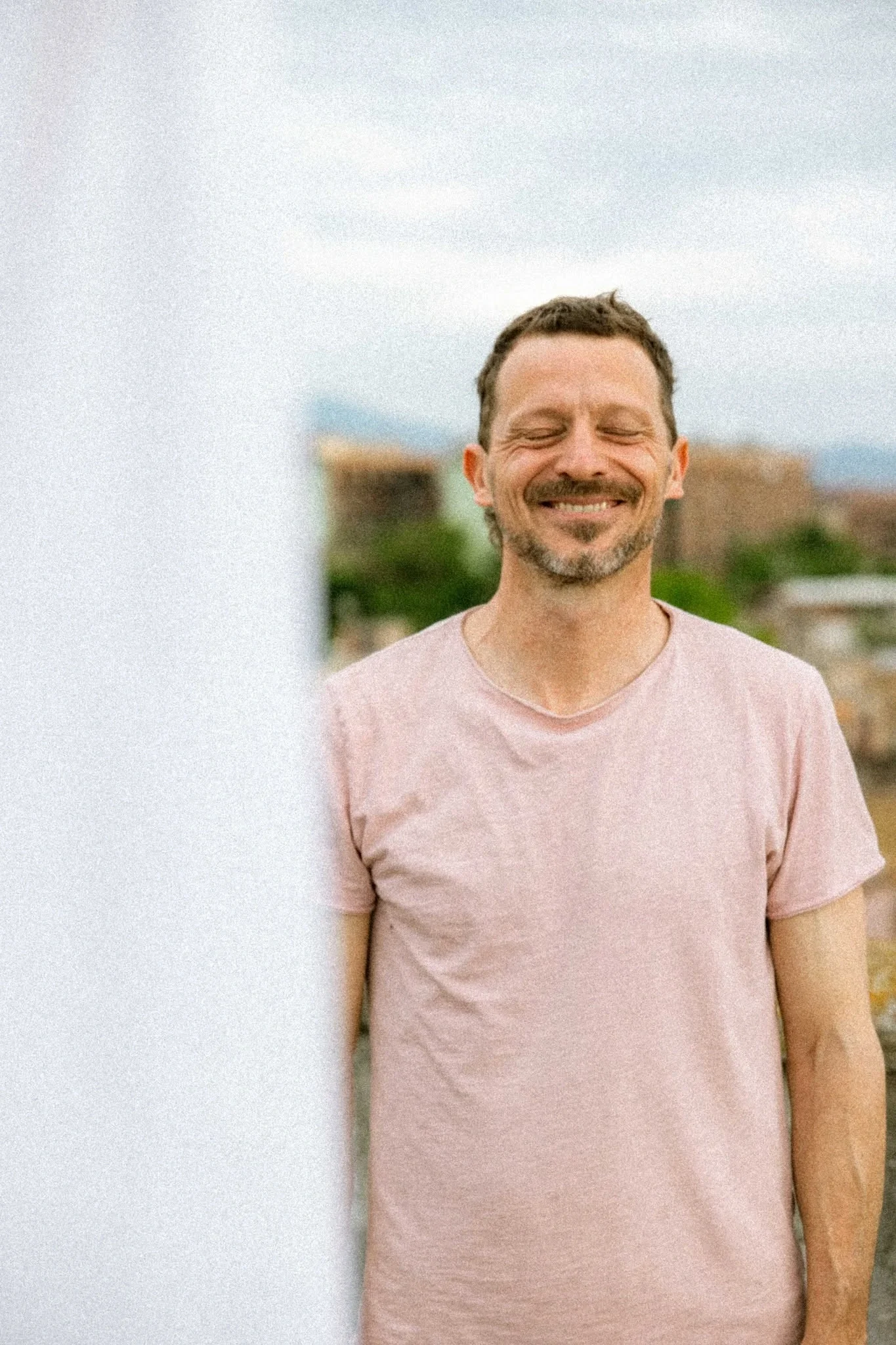
Credits Ph Marzia Allietta