Un colore smeraldo inconfondibile e una consistenza vellutata hanno trasformato una secolare tradizione giapponese in un fenomeno di costume su scala globale. Negli ultimi anni, la polvere di tè verde ha varcato i confini delle sale da tè tradizionali per insediarsi stabilmente nelle abitudini quotidiane degli appassionati di gastronomia e miscelazione di tutto il mondo. Questa popolarità, amplificata dalle piattaforme digitali ma radicata in una domanda reale e consapevole, spinge la cultura del tè verso linguaggi espressivi inediti.
A interpretare questo mutamento interviene il punto di vista di Giusmìn, boutique milanese del tè situata nel quartiere di Porta Venezia. Attraverso un costante lavoro di selezione e divulgazione, la realtà milanese approfondisce la complessa filiera che precede l'arrivo della polvere in tazza. La provenienza d'elezione rimane Uji, storico territorio nei pressi di Kyoto dove la coltivazione delle piante ombreggiate vanta un sapere antico.
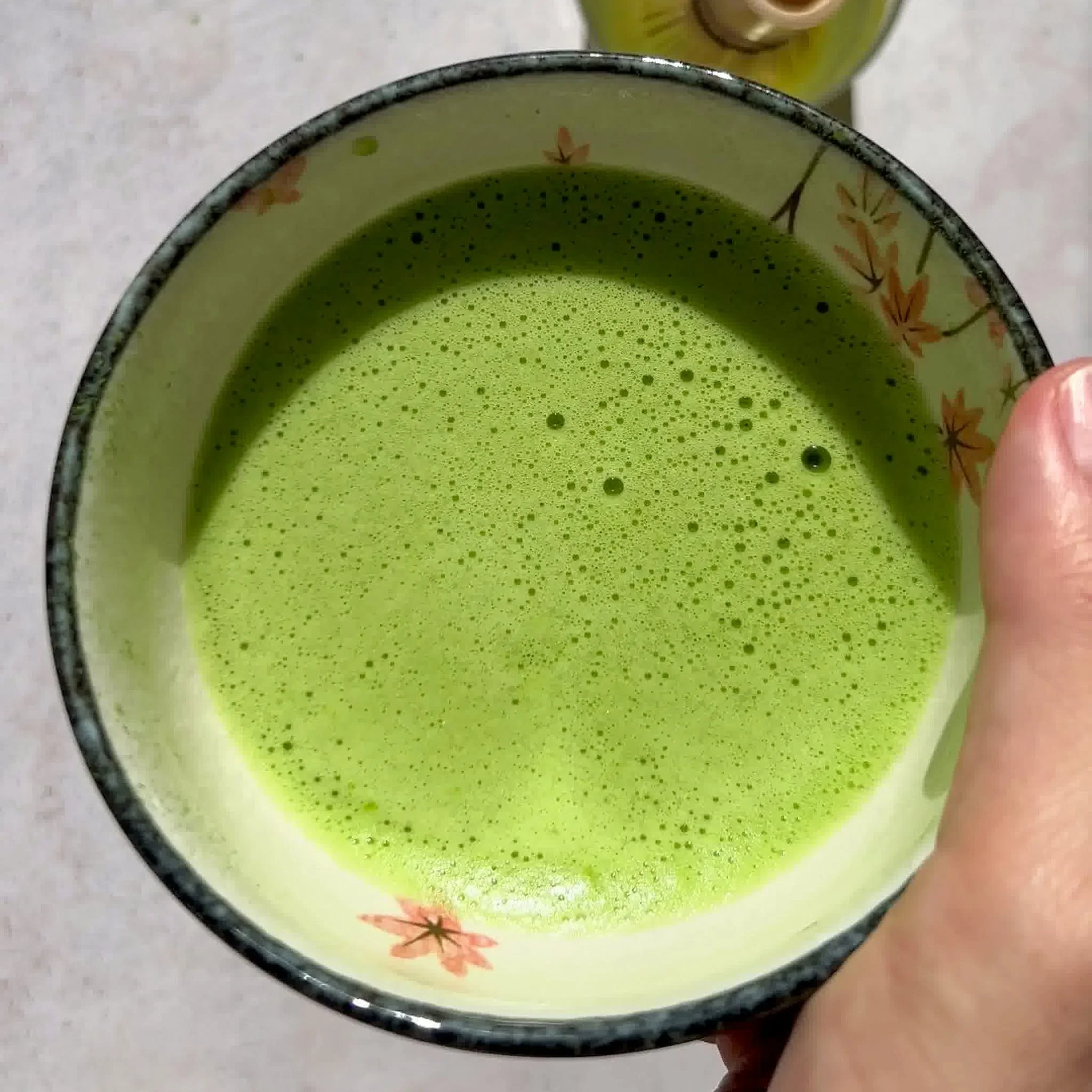
Il processo produttivo richiede cure meticolose: prima del raccolto, le piante vengono coperte per alcune settimane, stimolando la produzione di sostanze nutrizionali che conferiscono la tonalità accesa e la tipica nota umami. Le foglie, cotte a vapore e distillate di ogni nervatura per diventare tencha, passano poi alla lentissima macinatura a pietra. A differenza delle classiche infusioni, consumare il matcha significa assimilare la foglia nella sua interezza, disciolta nell'acqua tramite il ritmico movimento del chasen, il tipico frustino in bambù.
Il profilo organolettico di questa selezione spazia dalle note vegetali fresche a una dolcezza naturale bilanciata, con una lieve astringenza che pulisce la bocca. Proprio questa struttura ricca consente alla bevanda di dialogare con preparazioni moderne senza smarrire la propria identità. Accanto alla fruizione classica in purezza con la ciotola chawan, il matcha si adatta con disinvoltura a cappuccini vegetali, bevande fredde e sperimentazioni di pasticceria.
Come sottolinea Francesco Rossi, fondatore di Giusmìn, questo ingrediente incarna il perfetto ponte tra passato e futuro, offrendo gestualità antiche all'interno di un immaginario del tutto contemporaneo. La curiosità verso le polveri giapponesi sta inoltre aprendo la strada ad altre specialità poco note, come l'Hojicha. Ottenuto dalla tostatura intensa e dalla successiva macinazione di tè verdi, l'Hojicha si presenta con una tonalità bruna e un bouquet aromatico che richiama il cacao, il caffè e il caramello, rivelandosi un'ottima alternativa priva delle classiche note erbacee.
La comprensione di questa cultura passa anche attraverso momenti formativi dal vivo. Nella boutique di via Achille Maiocchi a Milano, i workshop dedicati e le Tea Class guidano gli appassionati nell'apprendimento delle corrette tecniche di preparazione, trasformando una semplice tendenza di consumo in un'esperienza sensoriale consapevole.
La ricetta Giusmìn: matcha latte al gelsomino
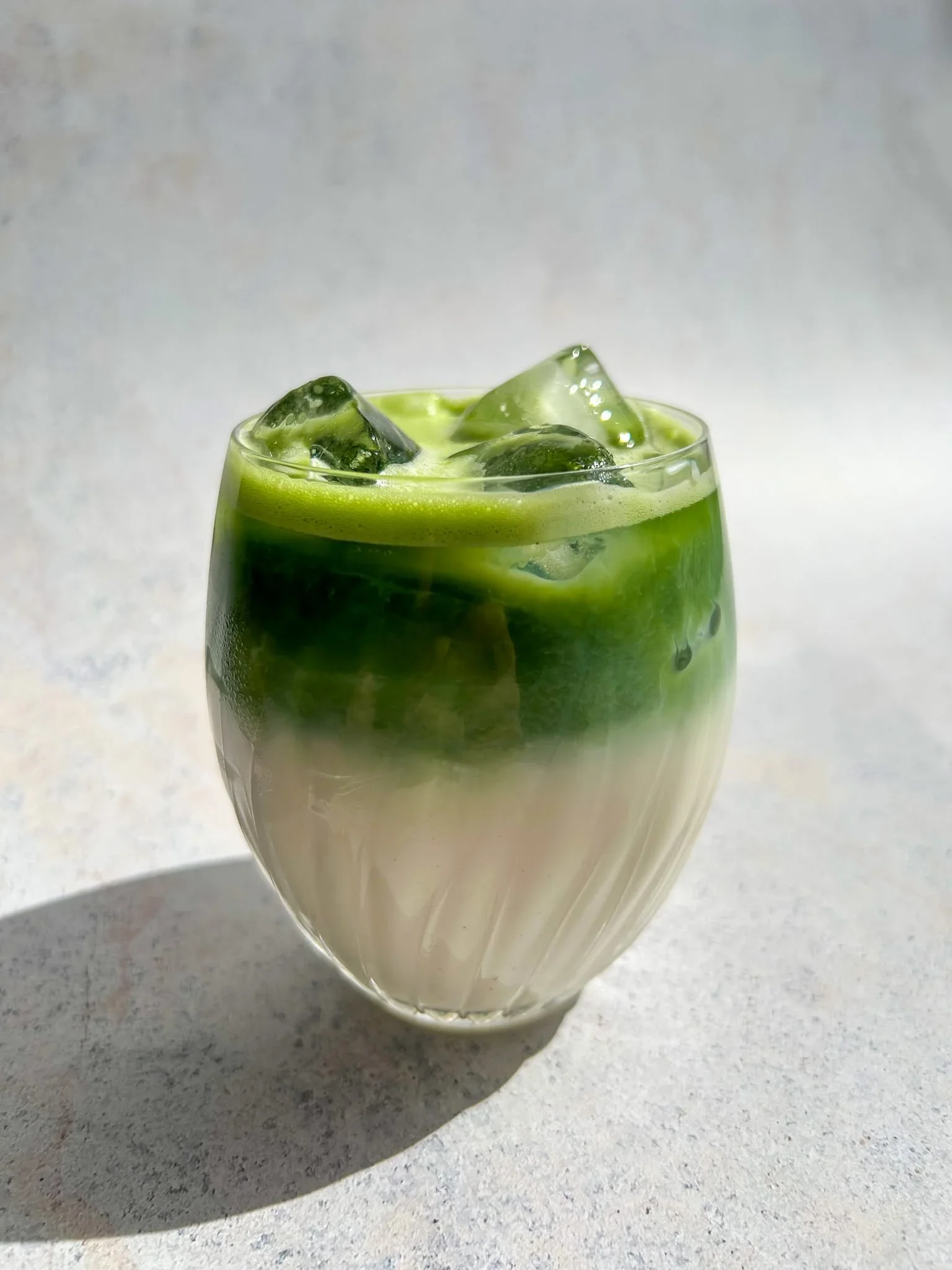
Tra le interpretazioni proposte da Giusmìn c’è un matcha latte al gelsomino che mette in dialogo due tè differenti, senza aggiungere aromi al matcha.
La preparazione comincia la sera precedente: le foglie di tè verde al gelsomino vengono lasciate in infusione direttamente nel latte per tutta la notte, in frigorifero. Il giorno successivo il latte viene filtrato e utilizzato come base per un classico matcha latte. Le note vegetali e umami del matcha incontrano così il profumo floreale del gelsomino, che emerge in modo graduale e delicato.
Matcha latte al gelsomino
Ingredienti
250 ml di latte o bevanda vegetale
3 g di tè verde al gelsomino
2 g de Il nostro matcha
50 ml di acqua
ghiaccio
Preparazione
Lasciare il tè verde al gelsomino in infusione nel latte per una notte, in frigorifero. Il giorno seguente filtrare accuratamente.
Setacciare il matcha e lavorarlo con il chasen insieme a poca acqua a 70 °C, fino a ottenere una consistenza uniforme. Riempire il bicchiere con il ghiaccio, versare il latte al gelsomino e completare con il matcha.
Matcha Mania: How the World Fallen for the Green Powder
An unmistakable emerald hue and a velvety texture have transformed an ancient Japanese tradition into a global culture phenomenon. Over recent years, green tea powder has crossed the boundaries of traditional tea rooms to settle firmly into the daily habits of gastronomy and mixology enthusiasts worldwide. Amplified by social platforms yet rooted in genuine, conscious demand, this popularity drives tea culture toward fresh, expressive languages.
Offering insight into this shift is Giusmìn, a Milanese tea boutique located in the Porta Venezia neighborhood. Through continuous selection and education, the boutique explores the intricate supply chain behind every cup. The region of choice remains Uji, a historic territory near Kyoto where shaded tea cultivation boasts centuries of heritage.
The production process demands painstaking care: weeks before harvest, tea plants are shaded to boost nutritional compounds, yielding a vivid color and distinct umami taste. Steamed and stripped of veins to become tencha, the leaves are then slowly stone-ground. Unlike standard infusions, consuming matcha means assimilating the whole leaf, suspended in water using the rhythmic motion of the chasen, the traditional bamboo whisk.
This selection’s flavor profile moves from fresh vegetal notes to a balanced natural sweetness, rounded off by a gentle astringency that cleanses the palate. Such rich structure allows the beverage to blend seamlessly into modern recipes without losing its core identity. Alongside classic preparation in a chawan bowl, matcha adapts effortlessly to plant-based lattes, iced drinks, and pastry creations.
As Francesco Rossi, founder of Giusmìn, highlights, this ingredient serves as a bridge between past and future, offering ancient gestures within a thoroughly contemporary aesthetic. Growing curiosity around Japanese powders is also paving the way for other hidden gems like Hojicha. Crafted by intensely roasting and finely grinding green tea, Hojicha features a warm brown shade and aromatic notes of cocoa, coffee, and caramel—a rich alternative to classic grassy profiles.
Understanding this culture also thrives through hands-on learning. At the boutique on Via Achille Maiocchi in Milan, dedicated workshops and Tea Classes guide tea lovers through traditional preparation techniques, turning a simple trend into a mindful sensory experience.
The Giusmìn Recipe: Jasmine Matcha Latte
Among Giusmìn’s signature creations is a jasmine matcha latte that creates a subtle dialogue between two distinct teas without adding artificial flavorings to the matcha.
Preparation begins the evening before: green jasmine tea leaves cold-steep directly in milk overnight in the refrigerator. The next day, the milk is strained and used as the base for a classic matcha latte. The vegetal, umami character of the matcha meets the delicate floral fragrance of jasmine, unfolding gradually with every sip.
Jasmine Matcha Latte
Ingredients
- 250 ml milk or plant-based beverage
- 3 g jasmine green tea
- 2 g "Il nostro matcha"
- 50 ml water
- Ice cubes
Preparation Steep the jasmine green tea in the milk overnight in the refrigerator. Strain thoroughly the following day. Sift the matcha and whisk it with the chasen in water at 70 °C until smooth and frothy. Fill a glass with ice, pour in the jasmine-infused milk, and top with the freshly prepared matcha.